
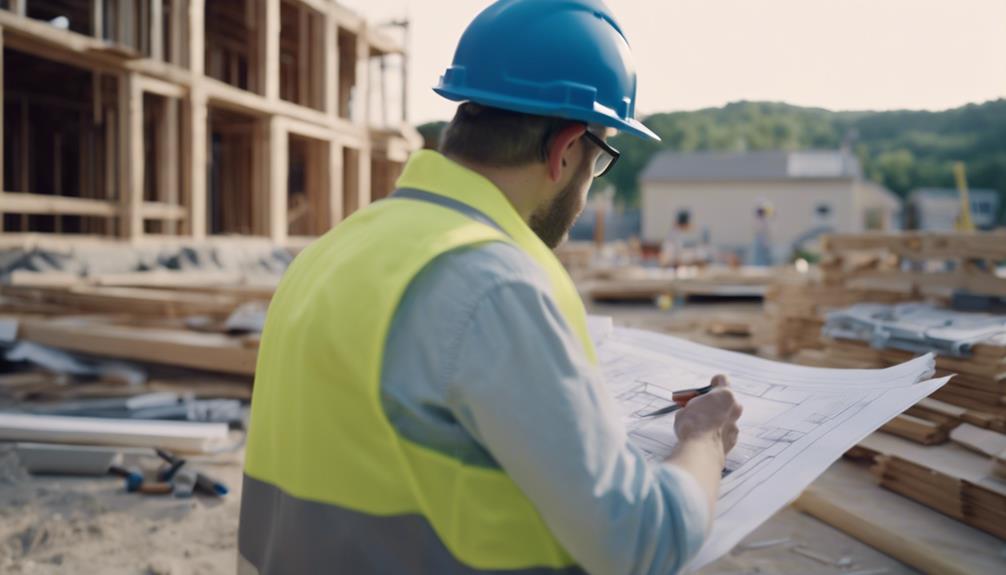
As you embark on your journey to become a successful owner builder and renovator, it's crucial you first assess your own capabilities and areas where you may need professional help. You'll need to develop a comprehensive plan that not only outlines your project scope but also schedules and budgets accurately. Remember, securing the right permits can't be overlooked if you're to stay compliant with local laws. But here's something to consider: what's your strategy for selecting trustworthy contractors? Navigating this can make or break your project, and you might be surprised at the impact of choosing wisely. What approach will you take?
Assessing Your Skills and Knowledge
Evaluating your skills and knowledge is the first crucial step toward becoming a successful owner builder and renovator. You need to honestly assess what you can do and what you'll need help with.
Start by listing tasks involved in typical building and renovation projects, like framing, plumbing, electrical work, and finishing. Rate your proficiency in each area. Are you confident in your ability to hang drywall or lay tile? Do you understand electrical systems well enough to tackle wiring?
It's also vital to consider your project management skills. Can you schedule tasks, manage a budget, and coordinate with subcontractors effectively? These are key components of any renovation project that often require as much attention as the physical work.
Don't forget to evaluate your legal knowledge related to building codes and permits. Understanding these can save you from costly mistakes and legal issues. If you find gaps in your skills or knowledge, consider whether you're willing to learn or if hiring a professional might be a better choice.
This self-assessment will help you set realistic expectations and identify areas where you might need to invest time or resources before diving into a project. It's all about knowing your limits and planning accordingly to ensure success.
Developing a Detailed Plan
Once you have a clear understanding of your capabilities and requirements, the next step is to formulate a detailed plan for your building or renovation project. You'll want to start by outlining your project's scope. What exactly are you looking to build or renovate? Detail every component, from structural changes to finishes.
Next, you'll need to create a timeline. Establish realistic deadlines for each phase of your project. This helps in tracking progress and ensuring you're on schedule. Remember, a well-thought-out timeline can save you from unnecessary stress later on.
Now, it's time to set a budget. Determine how much you can afford to spend and allocate funds accordingly. Include a buffer for unforeseen expenses to avoid financial strain. Sticking to this budget will be crucial for the success of your project.
Lastly, think about the logistics. How will materials be delivered to your site? Where will tools and supplies be stored? Planning these details in advance will streamline your operations and prevent potential roadblocks.
Putting the effort into developing a comprehensive plan now will pay off. You'll be better prepared, and it'll increase your chances of completing your project successfully and efficiently.
Securing Necessary Permits
Before you break ground on your project, you'll need to secure the necessary permits. This step can't be overlooked as it ensures your renovation or building work complies with local building codes and regulations. Start by visiting your local building department's website or office. They'll provide you with the list of documents and plans you're required to submit.
Typically, these include detailed drawings of your proposed construction, proof of property ownership, and sometimes even a site plan.
You'll also need to understand the specific permits required for different aspects of your project. For example, structural changes often need a separate permit from electrical or plumbing updates. Don't hesitate to ask for help from the department staff if you're unsure about any part of the application process.
Once you've submitted your application, be prepared for a waiting period. The review process can take several weeks, depending on the complexity of your project and the efficiency of the permitting office. During this time, keep track of your application's status and be ready to provide additional information if requested by the building department.
Securing these permits is crucial. It's not just about legality; it's about ensuring the safety and sustainability of your building project.
Budgeting for Your Project
Creating a detailed budget is your next crucial step after securing the necessary permits. You'll need to list all anticipated costs, from materials to unforeseen expenses. Start by estimating the costs of materials. Check prices from multiple suppliers to ensure you're getting the best deals. Don't forget to include delivery fees, which can add up.
Next, factor in the cost of any tools or equipment rentals you'll need. If you're not using contractors for certain tasks, you might need specialized tools, which can be rented or purchased. Consider the rental costs versus the purchase price to see what's more economical in the long run.
Set aside a contingency fund; a common guideline is to reserve at least 10-20% of your total budget for unexpected expenses. This can cover anything from discovering electrical issues to needing extra materials if measurements are off.
Also, account for permit fees or any costs related to legal requirements that might've changed since your initial permit application. It's easy to overlook these, but they can impact your budget significantly.
Selecting the Right Contractors
After you've established a comprehensive budget, choosing the right contractors becomes your next crucial step. You'll want to start by gathering recommendations. Talk to friends or family who've recently undergone a renovation. They can provide firsthand accounts of their experiences with various contractors, helping you to narrow down your choices.
Next, don't shy away from conducting interviews. You're not just hiring skills; you're hiring people who'll be part of your daily life during the project. It's essential they understand your vision and can communicate effectively. Ask for references and don't hesitate to follow up on them. Speaking to previous clients can reveal a lot about a contractor's reliability, adherence to budget, and quality of work.
Make sure they're licensed and insured. This protects you from liability and ensures they meet industry standards.
Also, assess their specialization to match your project needs. A contractor experienced in kitchen renovations mightn't be the best choice for adding a new room.
Choosing Sustainable Materials
When you choose sustainable materials for your renovation, you're not just updating your home; you're investing in the planet's future. Opting for eco-friendly options, like recycled glass countertops or bamboo flooring, means you're using resources that are replenished faster or recycled efficiently. This not only minimizes your ecological footprint but also often enhances the longevity and quality of your build.
You'll want to consider the life cycle of the materials you select. Products like reclaimed wood may offer a rustic charm unmatched by newer materials and prevent the unnecessary felling of trees. Similarly, using locally sourced materials can significantly reduce transportation emissions associated with your renovation project. It's not just about the material itself but where it comes from and how it's processed.
Don't forget the energy efficiency aspect. Materials that offer better insulation or reflectivity can slash your energy bills and make your home more comfortable year-round. Think insulated siding, high-quality windows, and reflective roofing. These choices might seem pricier upfront but consider them an investment in future savings and environmental preservation.
Understanding Legal Requirements
You'll need to familiarize yourself with local building codes and permit requirements before starting any renovation or construction as an owner-builder. Each city and county has its own set of regulations that you must adhere to, ensuring your project's legality and safety. Don't overlook zoning laws either; these determine what you can build and where. Ignoring these can lead to costly penalties and even forced demolition of non-compliant structures.
Next, you'll want to understand the specifics of obtaining the necessary permits. This often involves submitting detailed plans and undergoing inspections during various construction phases. Keep in mind, each type of project, whether it's a new build or a renovation, might've different legal requirements.
For example, electrical and plumbing work typically require additional permits and inspections by specialized professionals.
Also, consider the legal implications of hiring contractors. You need contracts that outline every party's responsibilities, ensuring all work meets the set standards and timelines. Make sure you're also up to speed on worker's compensation and liability insurance—it protects you against potential accidents on site.
In short, staying compliant isn't just about following the law; it's about safeguarding your investment and peace of mind throughout the construction process.
Managing Construction Timelines
Understanding legal requirements sets a solid foundation for your project; now let's focus on managing construction timelines effectively. You've got a clear vision, and it's crucial to align that with a realistic timeline. Start by creating a detailed schedule.
Break down each phase of construction into manageable tasks and set milestones. This isn't just about knowing what needs to be done, but when it should be completed.
You'll want to consult with your contractors and suppliers to ensure the timeline is feasible. They can provide insights on the duration of specific tasks and potential delays. Remember, communication is key. Regular check-ins will help you stay on top of progress and address any timing issues as they arise.
It's also wise to build some buffer time into your schedule. Don't pack tasks too tightly; unexpected delays aren't covered here, but having some leeway will help you keep your stress levels down and maintain flexibility.
Lastly, make use of technology. There are plenty of project management tools out there that can help you track progress, manage tasks, and keep everyone informed. Leveraging these tools can significantly enhance your efficiency and ensure you stay on track to complete your project on time.
Handling Unexpected Challenges
No matter how well you plan, unexpected challenges are almost guaranteed during any construction project. You might encounter sudden material shortages, unexpected weather, or even discover pre-existing issues with the property that weren't initially apparent. Here's how you can handle these surprises effectively.
First, it's vital to stay calm and flexible. Don't let your emotions get the best of you; stress can cloud your judgement. Instead, assess the situation thoroughly and consider your options. Can the challenge be turned into an opportunity? Perhaps a delay in materials delivery could give you time to revisit other aspects of your project that could benefit from extra attention.
Next, maintain open communication with your team. Whether it's contractors, architects, or suppliers, keeping everyone in the loop helps prevent misunderstandings and can lead to collaborative problem-solving. Don't be afraid to ask for advice or help from more experienced professionals.
Evaluating the Finished Project
After completing your construction or renovation project, it's crucial to step back and rigorously evaluate the outcome.
First, assess the quality of workmanship. Look closely at the finishes, the installation of fixtures, and the functionality of electrical and plumbing systems. Are there gaps, misalignments, or anything that doesn't operate as it should? It's important to catch these issues early.
Next, compare the final results with your original plans. Did you stay on budget? If not, pinpoint where costs overran and why. Understanding this can help you manage future projects more effectively.
Also, review the timeline. Did the project finish on schedule? Delays can be learning opportunities for better time management.
Don't forget to consider the overall aesthetic appeal. Does the finished project look like what you envisioned? If there are elements that don't satisfy you, list what could be done differently next time.
Conclusion
Congratulations on reaching the end of your owner-builder and renovation journey! By assessing your skills, developing detailed plans, and managing budgets and timelines, you've set yourself up for success. Remember, selecting trustworthy contractors and understanding legal requirements are key. Always be ready to tackle unexpected challenges with flexibility. Take a moment to evaluate your completed project, learn from the experience, and apply these insights to future endeavors. Here's to your next successful project!
Related articles: How Can I Upgrade a Builder Grade Bathroom Efficiently? · Who Are the Best Builders and Renovators Near Me? · What Does the Builders and Remodelers Association Do?