
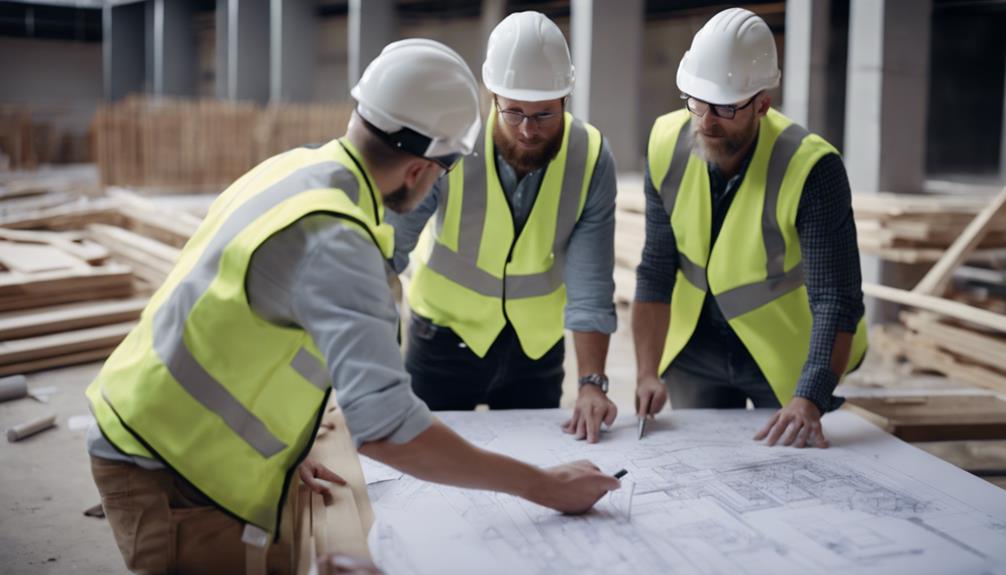
Have you ever considered the possibility of hiring a builder who also offers design services? This one-stop-shop approach might simplify your next project, blending the creativity of design with the practicality of construction under a single roof. You'd likely experience fewer communication errors and see a more cohesive execution of your vision. However, this convenience does raise some questions. Are builders equipped to handle the nuanced demands of design, and can they truly match the expertise of dedicated designers? Let's explore the potential advantages and limitations that come with this dual role.
Understanding the Builder-Designer Role
In today's construction landscape, the fusion of builder and designer roles can significantly streamline your project. When you hire a professional who embodies both skills, you're not just getting a two-for-one deal; you're also setting a course for more cohesive and efficient project completion.
You'll notice fewer communication mishaps since the same person who designs your project manages its construction. This synergy not only speeds up the process but also ensures that the initial vision is preserved throughout the build.
Incorporating both design and building capabilities under one roof also means you're likely to see cost savings. You won't be paying separate fees for a designer and a builder, and the integrated approach can lead to more cost-effective solutions and materials selection. Moreover, this streamlined communication reduces the likelihood of costly errors or redesigns that can occur when translating designs to construction teams.
Choosing a builder-designer can simplify decision-making for you. With a clear understanding of both the aesthetic and practical aspects of construction, these professionals can offer you expert advice that balances both perspectives. This holistic approach not only enhances the functionality of your space but also its overall design appeal, making your project stand out.
Historical Perspectives on Construction Roles
Traditional roles in construction have evolved significantly from their origins. Initially, you might picture ancient builders as mere laborers, piling stones or erecting wooden frameworks. However, these early craftsmen also inherently performed design tasks, guiding projects with intuition and experience rather than formal plans. As civilizations progressed, so did the complexity of construction and the specialization of roles.
In medieval times, the master builder emerged, a figure who held the dual responsibilities of designing and building. This all-encompassing role meant that one person oversaw both the aesthetic and structural elements of construction, ensuring a cohesive vision from foundation to spire. You can imagine the master builder as the precursor to today's architects and construction managers, yet with hands deeply embedded in both conceptual and practical work.
As the Industrial Revolution unfolded, construction roles split further. The introduction of new materials and engineering practices led to the separation of design and construction into distinct professions. This evolution was driven by the need for more detailed planning and specialized knowledge, which individual builders alone could no longer encompass.
Benefits of Integrated Design and Build
While exploring the benefits of integrated design and build, consider how this approach can streamline your construction project. You'll find that having a single team handle both design and construction can lead to a smoother, more efficient process. Since one entity coordinates everything, you're likely to see better communication and fewer misunderstandings. This can translate into a project that stays more closely aligned with your initial vision and budget.
With integrated services, you get the advantage of early cost estimation and a more cohesive team working on your project from start to finish. The designers and builders aren't just collaborators; they're part of the same team, which often leads to innovative solutions that can save you time and money. This setup also allows for quicker decision-making, as you don't have to wait for approvals from multiple parties.
Moreover, this method can lead to higher quality results. The team's unified approach ensures that the design vision is perfectly aligned with the execution.
Every aspect of your project, from aesthetics to functionality, is considered simultaneously, enhancing the overall quality of the final product.
Challenges Facing Builders as Designers
Often, builders who take on design roles face significant hurdles. One major challenge is the shift in mindset required. You're used to focusing on the practicalities of building, but design demands a deep dive into aesthetics and client lifestyles, which mightn't come naturally to you. Balancing these new responsibilities with your existing workload can also be overwhelming.
It's not just about laying bricks; it's about conceptualizing the space before the first stone is set.
Moreover, managing client expectations becomes more complex. As a builder, you're accustomed to dealing with the tangible aspects of construction. However, when you step into design, you're also navigating the more subjective realm of taste and preference. Clients might struggle to visualize your ideas, leading to dissatisfaction or frequent changes, which can delay projects and inflate costs.
Lastly, regulatory challenges can't be overlooked. Design work often requires a thorough understanding of zoning laws and building codes, which vary widely by location. You might find yourself in situations where your design vision and these regulations don't align, forcing you to either alter your plans or navigate complex bureaucratic processes to obtain the necessary approvals.
Essential Skills for Designing Builders
To excel as a designing builder, you need to master several key skills. First, you'll want to hone your creative thinking. It's not just about building structures; it's about envisioning innovative, functional designs that align with client needs and local regulations. You must balance aesthetic appeal with practicality, ensuring your projects are both attractive and livable.
Technical proficiency in both construction and design software is crucial. You'll often switch between tools like CAD software for design and project management software for construction planning. Being adept at both will streamline your workflow and enhance your ability to communicate ideas clearly.
Strong communication skills are indispensable. You're not just building; you're translating client visions into tangible outcomes. This means actively listening to their desires and effectively conveying how those can be realized through your designs and constructions.
Lastly, you need an in-depth understanding of building codes and sustainability practices. This ensures your designs aren't only beautiful and functional but also compliant and environmentally responsible. Keeping abreast of the latest regulations and green building techniques will set you apart in a competitive market. Embracing these skills will truly elevate your capability to deliver exceptional, integrated design-build services.
Impact on Project Coordination
Incorporating design services directly impacts project coordination by significantly streamlining communication between all parties involved. By having design and construction under one roof, you'll find that the usual back-and-forth between separate designer and builder teams is greatly reduced. This consolidation leads to a clearer, more unified vision from the start to finish of your project.
You'll notice fewer misunderstandings and delays because everyone's on the same page from day one. There's a shared understanding of project goals, materials, and timelines which fosters a smoother workflow. When questions or issues arise, resolutions are reached more quickly since the decision-makers are part of the same team. This integrated approach not only speeds up the process but also enhances the quality of the final product.
Moreover, managing budgets becomes more efficient. With combined services, you're not juggling invoices and contracts between separate entities. This holistic approach provides a transparent financial overview, allowing you to make informed decisions without the typical financial ping-pong that can occur on fragmented projects.
Case Studies: Successful Builder-Designers
While exploring the realm of builder-designers, it's enlightening to examine a few success stories that showcase the benefits of this integrated approach.
Take the example of GreenBuild Designs, a firm that's revolutionized sustainable home construction. By integrating design and building services under one roof, they've streamlined the entire process. You'll find their projects aren't only completed faster but also maintain high standards of energy efficiency.
Then there's Urban Edge Homes, a company that specializes in urban infill projects. As both designers and builders, they navigate complex city regulations with ease, transforming challenging plots into vibrant residential spaces. Their ability to swiftly adapt designs on-site reduces delays and construction costs, making them a favorite among city dwellers.
Lastly, consider Lakeside Constructs, known for their luxurious waterfront properties. By handling both design and construction, they ensure that every detail aligns perfectly with the client's vision and the site's unique characteristics. Their projects often feature innovative solutions like maximized views and erosion-resistant landscaping, directly resulting from their cohesive approach.
These examples highlight how blending design and building expertise not only enhances project efficiency but also leads to more tailored, innovative outcomes.
Legal and Ethical Considerations
Navigating the legal and ethical landscape is crucial when builders offer design services. You should be aware that in many areas, specific licenses and qualifications are required to legally provide these services. It's not just about having good design ideas; you must ensure compliance with local regulations, which often include holding a valid architect's or designer's license.
Moreover, transparency is key. You're expected to fully disclose any limitations in your expertise and, when necessary, subcontract certain tasks to licensed professionals. This isn't just good practice; it's about respecting the trust your clients place in you and avoiding the pitfalls of overpromising and underdelivering.
Ethically, there's a fine line between offering added value and stepping into a field where you're not fully qualified. Misrepresenting your skills can lead to serious legal repercussions and damage your reputation.
Always consider whether you have the necessary skills and resources to meet your clients' expectations without compromising quality or integrity.
Choosing the Right Professional for Your Project
Selecting the right professional for your project can make the difference between success and frustration. When you're choosing a builder who also offers design services, it's crucial to ensure they've the right blend of expertise.
Start by reviewing their portfolio to gauge whether their design aesthetic aligns with your vision. It's also wise to read through client testimonials and, if possible, visit some of their completed projects.
You should prioritize transparent communication. A good professional doesn't just share your vision but also explains the feasibility and the practical aspects of your project. They should be clear about costs, timelines, and any potential obstacles. Make sure they're licensed and insured, which protects you against unforeseen issues.
Don't hesitate to ask about their team. Who'll handle the design? Who manages construction? Understanding the roles within their team can give you insights into their process and ensure that there's a seamless transition from design to execution.
Future Trends in Builder-Designer Roles
The roles of builders and designers are rapidly evolving as technology reshapes the construction industry. You'll see more integration where the same professionals wear both hats, streamlining the process from concept to completion. With digital tools like Building Information Modeling (BIM) software, you can expect a shift in how projects are approached. Builders aren't just executing plans; they're actively involved in the design phase, using 3D models to predict issues and improve efficiency.
Looking ahead, there's a trend towards sustainability that requires both builders and designers to collaborate more closely. You'll find them using eco-friendly materials and innovative construction methods that meet stringent environmental standards. This isn't only good for the planet; it's often a requirement to comply with new regulations.
The rise of smart homes also plays a significant role. As you demand homes that aren't only aesthetically pleasing but also technologically integrated, builders and designers must work together to incorporate smart technology seamlessly into home designs.
In your future home projects, expect to deal with professionals who are adept in both building and designing. This dual expertise can lead to better outcomes, reduced costs, and a smoother project timeline, enhancing your overall experience.
Conclusion
You've seen how blending design and construction under one roof can streamline your project and foster innovation. While challenges exist, the benefits of a builder who also designs are clear. As you consider your next project, think about choosing a professional who can handle both roles efficiently. This integrated approach not only saves time and money but also ensures that your vision is realized seamlessly from the initial design to the final construction. Embrace the future of building and design.
Related articles: What Are the Common Challenges Faced by Builders and Remodelers? · How to Ensure Quality When Working With Builders and Remodelers? · Types of Los Angeles Concrete Companies