
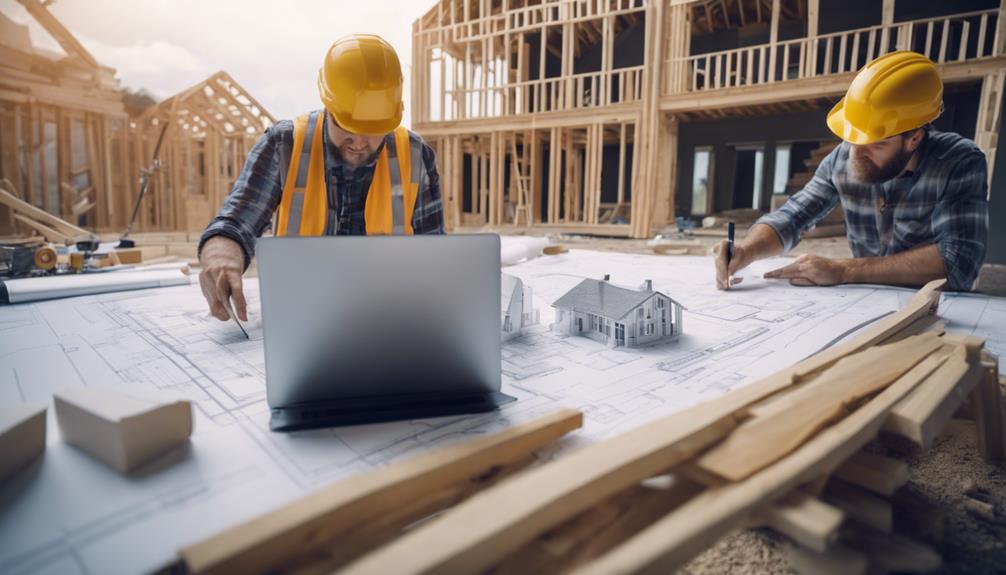
When you're gearing up to remodel or build, choosing the right contractor isn't just the first step; it's the most crucial one. You've likely heard horror stories about projects gone wrong due to miscommunication or poor workmanship. To navigate this, you'll need a solid plan from the get-go. Start by vetting potential builders thoroughly—don't just settle for anyone. Check their previous work, read reviews, and verify their credentials. Think you've found the perfect match? Hold that thought. There's more to discuss on ensuring that your project doesn't become just another cautionary tale. Let's explore what happens after the ink dries on your contract.
Selecting the Right Contractor
Choosing the right contractor is crucial to the success of your building or remodeling project. You'll want a professional who not only suits your budget and project needs but also shares your vision and communicates effectively.
Start by seeking recommendations from friends or family who've recently undertaken similar projects. Their firsthand experiences can give you valuable insights into a contractor's reliability and quality of work.
Once you've gathered a list of potential contractors, don't rush into a decision. Take the time to check their credentials and past work. Are they licensed and insured? Do they have a solid reputation? You can find a lot of this information online or through local business bureaus.
After narrowing down your list, set up meetings to discuss your project in detail. This face-to-face interaction can tell you a lot about their professionalism and whether they're a good fit for your project.
Understanding Your Contract
Reviewing your contract carefully before signing ensures you understand all terms and conditions of the agreement with your builder or remodeler. This document outlines every aspect of your project, from timelines and payment schedules to materials used and warranties provided. Don't hesitate to ask for clarifications on any part that isn't crystal clear to you.
It's crucial to check for a detailed description of the scope of work. This section should specify what'll be done, including any site preparation, construction, and cleanup processes. Make sure you're aware of who's responsible for each task and what happens if there's a deviation from the plan.
Look closely at the payment terms to ensure they're fair and manageable. They should align with project milestones rather than demanding large sums upfront. Also, confirm that there are provisions for handling changes or unexpected issues that may increase costs.
Lastly, don't overlook the fine print about dispute resolution. Understand the steps you need to take if disagreements arise. Knowing your rights within the contract can save you significant stress and potential legal headaches later.
Establishing Effective Communication
After ensuring your contract is in order, it's equally important to establish effective communication with your builder or remodeler. Clear, consistent dialogue ensures that your vision and expectations are perfectly aligned with their execution. Start by setting up regular check-ins. These can be weekly meetings or calls to discuss project updates, changes, and any concerns you might have.
You'll also want to clarify the best method of communication. Do you prefer emails, phone calls, or face-to-face meetings? Deciding this upfront will prevent any miscommunication down the road. Make sure you're both accessible and responsive. If they can't reach you, it might delay the project and lead to misunderstandings.
It's crucial to be clear and concise in your communications. Avoid jargon unless you're familiar with it, and always ask for clarification if something isn't clear. Remember, no question is too small when it comes to your investment.
Lastly, keep a record of all communications. Whether it's email threads or meeting notes, having a paper trail can help resolve any disputes and ensures you have a reference to go back to if needed. This practice keeps everyone accountable and maintains transparency throughout the project.
Monitoring Construction Progress
As your building project progresses, it's essential to keep a close eye on the construction to ensure everything aligns with your plan. Regular site visits are a must. You'll want to schedule these at key phases of the construction, such as after the foundation is laid, during framing, and when electrical and plumbing installations occur. This lets you catch any discrepancies early on.
Always bring your contract and plans along during these visits. Comparing the actual work to the blueprints and specifications can help you spot if something's off track before it's too late to make easy corrections.
It's also a good idea to take notes and photos during each visit. This documentation can be crucial if disputes arise or if you need to reference specific details later on.
Staying in constant touch with your contractor is crucial. Make sure you're updated regularly with progress reports and that your input is sought on key decisions. Remember, this is your project. If you notice something that doesn't seem right, speak up immediately.
Addressing issues on the spot can prevent costly and time-consuming corrections down the line.
Conducting the Final Inspection
Once construction nears completion, it's crucial to conduct a thorough final inspection. This step ensures everything meets your expectations and aligns with the contract specifications. Don't hesitate to bring along your contract documents and any relevant plans or blueprints. You'll want to compare the finished work against these documents to spot any discrepancies.
Start by examining the overall quality of the construction. Check the walls, floors, and ceilings for any defects or unfinished areas. Make sure to test every installed fixture, including faucets, light switches, and appliances, to confirm they function properly. Don't overlook external elements like roofing, siding, and landscaping.
It's also essential to pay attention to the details. Look for proper sealing around windows and doors and ensure that all hardware is correctly installed and functional. Open and close doors and windows to check for ease of use and proper alignment.
If you find issues, list them clearly and discuss them with the builder. They're typically obligated to address these before you make the final payment. Remember, this is your last chance to catch any problems, so be meticulous and assertive in your inspection.
Conclusion
In wrapping up, always choose a contractor who aligns with your vision and holds solid credentials. Make sure you understand every detail of your contract, especially the scope of work and payment terms. Keep the lines of communication open, regularly check in on progress, and document everything. Don't skip the site visits—they're crucial for catching issues early. Finally, conduct a thorough final inspection before making the last payment to ensure everything meets your standards.
Related articles: Types of Los Angeles Concrete Companies · Enhance the Look of Your Homes With Stamped Concrete Sealer · Hiring a California Plumbing contractor