
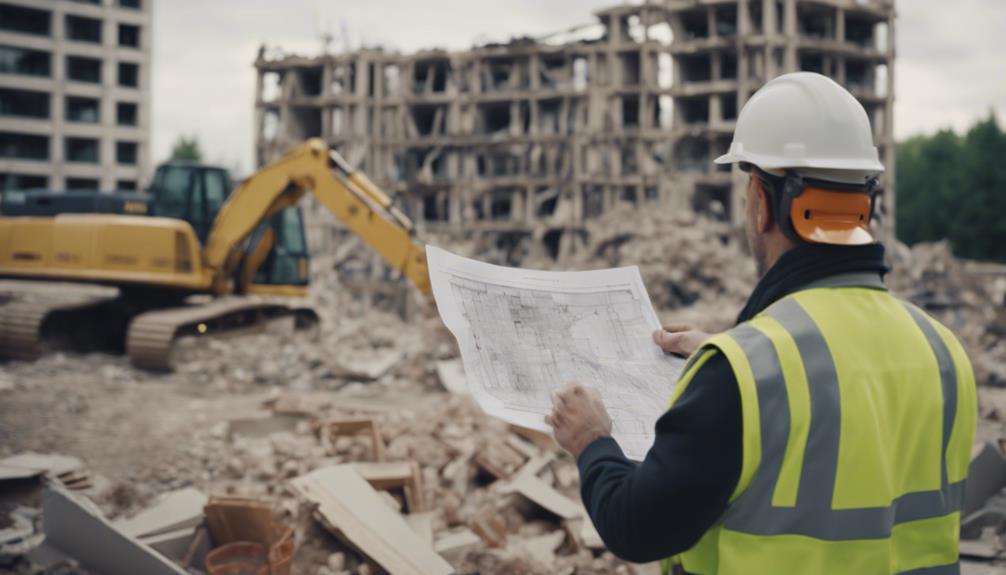
You might wonder if you, as a builder, can legally perform demolition work. It's crucial to know that while you can, it hinges on holding the right demolition license or permit specific to your jurisdiction. But even with these in hand, are you fully equipped to handle the complexities and potential hazards of such tasks? Ensuring compliance with safety standards and regulations isn't just about following the rules; it's about guaranteeing the safety of everyone involved. So, before you take on that next big project, consider what's at stake. Are you prepared to navigate the risks and responsibilities that come with demolition work?
Understanding Demolition Regulations
Before you begin any demolition work, it's crucial to grasp the regulations that govern these activities. Different regions have varying rules, often dictated by both safety and environmental concerns. You'll need to be aware of local zoning laws and building codes, which can significantly affect how and when a demolition can be conducted.
First, check with your local building authority to secure the necessary permits. These aren't just formalities; they ensure that your demolition project complies with local safety standards, which helps protect both workers and the community. Skipping this step can lead to hefty fines or legal complications that could halt your project.
Environmental regulations also play a crucial role. You're likely required to have an inspection for hazardous materials like asbestos or lead paint before you can proceed. If such materials are found, you'll need to follow strict procedures for their removal and disposal to minimize health risks and environmental impact.
Lastly, be mindful of regulations regarding debris disposal. Proper disposal methods are mandatory to prevent any legal issues and environmental harm. You'll need to find out where and how to legally dispose of the demolition waste according to your local regulations.
Builder Qualifications for Demolition
When selecting a builder for demolition work, ensure they possess the necessary qualifications and experience. Demolition isn't just about tearing things down; it requires understanding structural integrity, safe material handling, and environmental considerations. You want someone who's not only skilled in construction but also specializes in demolition techniques.
Look for builders who've completed relevant training programs. These courses teach them about the latest technologies and methods in demolition, from controlled explosions to dismantling techniques. It's also vital they understand how to manage hazardous materials safely. Previous projects can give you insights into their capability and approach to safety, which is crucial.
Ask them about their experience with projects similar to yours. Have they handled residential, commercial, or industrial demolitions? The scale and nature of the project can significantly differ, and you need someone with the right background.
Licensing Requirements
In addition to ensuring your builder has the right qualifications, you must also verify that they hold the necessary licenses for demolition work. Different states or regions often have specific licensing requirements, so you'll need to check local regulations to ensure compliance. Typically, a general contractor's license isn't enough when it comes to demolition, which usually requires additional permits or specialized licenses.
You should ask your builder to provide proof of a demolition license. This documentation ensures that they're legally permitted to perform demolition work and that they've undergone the specific training needed for such tasks. Licensing bodies often require builders to pass certain exams that test their knowledge on demolition techniques, handling hazardous materials, and understanding the structural implications of tearing down buildings.
It's also wise to verify that the license is current and check for any past violations or disciplinary actions related to demolition projects. You can usually find this information through your local building department or professional licensing board. This step is crucial, as hiring an unlicensed builder can lead to legal issues, potential fines, and could jeopardize the safety of the demolition site.
Safety Protocols and Standards
Ensuring your builder adheres to established safety protocols and standards is crucial for the successful and secure execution of demolition work. You've got to make sure they're not only licensed but also fully aware of the latest industry guidelines to mitigate risks effectively.
Firstly, your builder should conduct a thorough risk assessment before beginning the demolition. This includes identifying potential hazards like asbestos or structural instabilities. You don't want any surprises once the walls start coming down. They must also have a clear plan for dealing with these risks, whether it's through specialized equipment or particular demolition techniques.
Moreover, it's essential they use the right tools for the job. From heavy machinery to safety gear, every piece should comply with current safety standards to protect everyone on site. You should check that all equipment is well-maintained and staff are trained to use it properly.
Lastly, ensure they follow strict procedures for debris disposal. Improper handling can't only pose health risks but also lead to legal issues. It's your job to double-check that your builder disposes of all materials in accordance with local regulations. This isn't just about safety; it's about being responsible and lawful.
Comparing Builders and Demolition Experts
After establishing the importance of safety protocols in demolition, it's equally important to understand the differences between general builders and specialized demolition experts. You might think they're similar, but the two roles vary significantly in terms of skills, tools, and focus areas.
Builders are jacks-of-all-trades. They're skilled in constructing structures from scratch, which means they know about everything from framing doors to laying bricks. Their expertise is broad, covering tasks that span various phases of building. Builders must be adept at following blueprints, coordinating with other tradespeople, and ensuring the structural integrity of their work.
On the other hand, demolition experts are the go-to professionals for safely tearing structures down. They specialize in understanding how buildings are put together so they can take them apart efficiently and safely.
This includes knowing which structural components can be removed first without compromising the stability of the remaining structure. Unlike builders, demolition experts often use heavier machinery and must be extremely cautious of hazardous materials and potential environmental impacts.
Legal Implications and Responsibilities
When engaging in demolition work, you must navigate a complex web of legal implications and responsibilities. It's crucial to understand that demolition isn't just about tearing down structures; it's a regulated activity governed by strict legal standards to ensure public safety and compliance with environmental laws.
First, you'll need the right permits. Without these, you're not just risking fines; you could be held liable for any unforeseen consequences that arise from unauthorized demolition. Each jurisdiction has its own requirements, so you'll need to check with local authorities about what's needed in your area.
Moreover, you're responsible for ensuring that the demolition doesn't cause harm to the surrounding environment. This includes managing hazardous materials, like asbestos or lead, which might be present in older buildings. Failure to properly handle such materials can lead to serious legal repercussions, including hefty fines and potential criminal charges.
Additionally, consider the health and safety of those on-site. Strict adherence to safety protocols is non-negotiable. You're obliged to provide adequate training and equipment to prevent accidents. If you neglect this aspect, you could face lawsuits from injured parties or penalties from safety regulators.
Navigating these complexities is essential. Don't cut corners—stay informed and compliant to mitigate risks associated with demolition projects.
Evaluating Risks and Benefits
Before deciding to undertake a demolition project, you should weigh the potential risks against the anticipated benefits. Assessing these factors helps you decide whether the project aligns with your long-term goals and complies with your capabilities.
One major benefit is the opportunity for redevelopment. Clearing an old or unsafe structure can pave the way for new, potentially more profitable constructions. This renewal often leads to increased property value and can attract significant investment. Additionally, if you're a builder, showcasing your capacity to manage both demolition and construction might expand your marketability and diversify your business offerings.
However, the risks involved can't be overlooked. Demolition work is fraught with safety hazards. Mishaps during demolition can lead to serious injuries or even fatalities. There's also the matter of environmental impact, such as the release of hazardous materials like asbestos, which poses health risks and necessitates careful handling.
Moreover, the financial cost of ensuring safety and compliance with regulations can be substantial. If you're not prepared, these expenses can offset any potential financial gains from the project.
Conclusion
You need to ensure that your builder is properly licensed to perform demolition work. By choosing a licensed professional, you adhere to legal standards, manage risks effectively, and maintain high safety protocols. Remember, while builders might have the basic skills, demolition experts specialize in such tasks. Always weigh the risks and benefits, and consider the complexities of your specific project. Ensuring compliance and safety can save you from potential legal and financial issues down the line.
Related articles: Are Builders Also Engineers? · How to Find the Best Home Builders and Remodelers Near Me? · What Is the Difference Between a Builder and a Remodeler?