
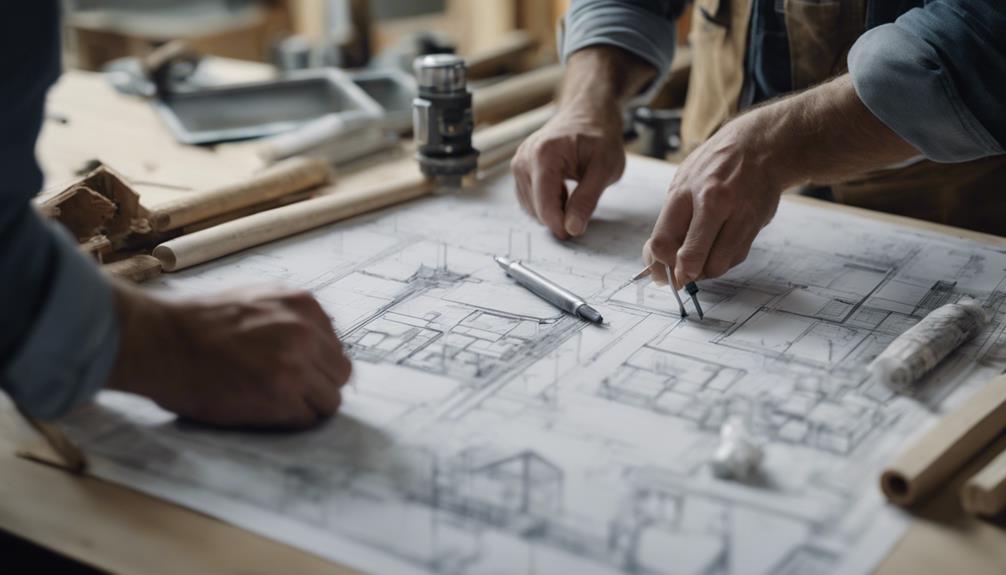
When you're planning a construction project, it's crucial to know whether you'll need a builder or a remodeler. A builder constructs new buildings from scratch, taking charge of every detail from the foundation to the roof. In contrast, a remodeler works within the confines of existing structures, transforming spaces to meet modern needs or personal preferences. This distinction affects not only the approach and expertise required but also the project's overall timeline and budget. If you're curious about how these professionals tackle challenges and costs differently, consider the implications for your next project. What might this mean for the outcome you're envisioning?
Defining a Builder
While both builders and remodelers play crucial roles in the construction industry, a builder specifically focuses on constructing new buildings from the ground up. As you delve into your project, you'll see that a builder's work begins with a bare plot and a set of plans. They're responsible for laying the foundation, erecting the structure, and ensuring that the building meets all local codes and regulations. You'll find them coordinating with architects, engineers, and subcontractors to bring a vision to life, often handling everything from plumbing and electrical systems to the final touches of paint.
Builders are also instrumental in navigating the bureaucratic aspects of construction. They manage permits, inspections, and approvals required by governmental bodies. This ensures that your structure isn't just sturdy but also legally compliant. Moreover, they've to stay updated with the latest building technologies and materials to provide the most efficient and sustainable solutions.
When you're planning to create a new space entirely, you'll need a builder's expertise. They're the ones who transform blueprints into tangible, functional buildings. Choosing the right builder means ensuring they've a strong track record and the capability to handle the scale of your project.
Understanding a Remodeler
Many homeowners find that a remodeler is essential when looking to update or alter their existing space. You might be considering a remodel to modernize your kitchen, expand your living room, or perhaps add a new bathroom. Whatever the project, a remodeler specializes in transforming your current home into the space you desire, working within the confines of your existing structure.
Unlike builders who typically focus on new construction, remodelers must navigate the challenges of existing buildings. They'll assess the structural integrity, electrical configurations, plumbing setups, and even the aesthetic elements of your home before suggesting feasible changes.
You'll find that they're adept at identifying which walls can be removed or how new features can be integrated.
Moreover, remodelers bring a unique skill set that includes custom solutions tailored to your specific needs. They're problem solvers who adapt plans to meet the limitations and possibilities of your home.
When you work with a remodeler, you're not just getting a contractor; you're partnering with someone who understands the art of possibility within the framework of what already exists. They ensure that the final outcome respects the home's original character while incorporating your personal touch.
Key Responsibilities of Builders
Builders play a fundamental role in the construction industry, focusing primarily on creating new structures from the ground up. As a builder, you're responsible for the entire construction process, ensuring that the final product is both functional and aesthetically pleasing.
You'll start by interpreting architectural drawings and planning the project timeline. It's your job to secure all necessary permits before breaking ground, which requires a deep understanding of local building codes and regulations.
You also manage a diverse team, including carpenters, electricians, and plumbers, coordinating their efforts to keep the project on track. Quality control is crucial; you'll frequently inspect the construction site to ensure that all work meets the specified standards and that materials are used efficiently.
Safety management is another critical aspect of your role. You're responsible for implementing and enforcing strict safety protocols to protect your workers from job-related injuries.
Financial oversight falls under your purview as well. You must budget accurately, manage costs, and ensure the project stays financially viable. Negotiating contracts with vendors and subcontractors is key to keeping your expenses in check while maintaining high standards of quality.
Primary Tasks of Remodelers
Remodelers, unlike builders, specialize in modifying existing structures, enhancing both functionality and aesthetics. When you hire a remodeler, you're not just updating; you're transforming your space to better meet your needs. Their primary tasks involve extensive planning and precise execution, ensuring that every change reflects your vision and requirements.
Firstly, remodelers assess the existing structure to understand its strengths and limitations. They'll figure out the feasibility of your ideas within the constraints of your current home.
You'll find them meticulously planning the project, focusing on integrating new elements with the existing infrastructure. This includes reconfiguring layouts, upgrading systems, and ensuring that all modifications are up to code.
Moreover, remodelers handle the selection and installation of materials. They'll guide you through choosing finishes that match your desired style while offering durability and cost-effectiveness.
Whether it's installing new cabinetry in the kitchen, updating bathroom fixtures, or replacing flooring, their expertise ensures that each component is perfectly aligned with the overall design.
Lastly, effective communication throughout the process is crucial. They'll keep you informed and involved at every step, from initial design to final walkthrough, making sure that the end result is exactly what you envisioned.
Choosing Between Builder and Remodeler
Understanding the specific roles and expertise of builders and remodelers can significantly influence your decision when planning a new construction or renovation project. Builders are your go-to if you're starting from scratch. They handle the construction of new structures, ensuring that everything from the foundation to the framing aligns with local building codes and your specific needs. If you're looking to create a new home or building that matches your vision right out of the gate, a builder is what you need.
On the other hand, if your project involves modifying, updating, or expanding an existing structure, a remodeler is your best bet. They specialize in transformations and can navigate the complexities of working within pre-existing layouts. They're adept at making the old new again, whether it's updating a kitchen, adding a bathroom, or converting a basement into a livable space.
Your choice should hinge on whether your primary need is the creation of new space or the alteration of an existing one. Assess the scope and goals of your project, consider your timeline, and budget, then choose the professional whose expertise aligns with your vision. Don't hesitate to ask for portfolios and references to ensure their work meets your expectations.
Impact on Project Timeline
Often, your project's duration can vary significantly depending on whether you choose a builder or a remodeler. Builders typically engage in projects from the ground up, meaning they're starting with a blank canvas. This can lead to longer timelines, as the process involves everything from site preparation and compliance with zoning laws to the actual construction of the structure. You're essentially waiting for a new creation to emerge from nothing, which can be time-consuming.
On the other hand, remodelers work with existing structures. This setup can either shorten or extend the project duration based on the scope of the remodel. If you're only looking to update a kitchen or a bathroom, the work might be completed faster than building an entire house. However, remodeling can get tricky with unforeseen issues like structural damage or outdated wiring, potentially prolonging the project unexpectedly.
You'll need to consider how each option fits into your timeline expectations. If you're tight on time, remodeling might seem appealing, but remember, complications could arise.
Meanwhile, building a new home offers predictability in schedule, though it's generally a longer wait. Choosing wisely based on your time constraints is crucial to aligning your project's timeline with your life plans.
Cost Differences Explained
When comparing costs, you'll find that the choice between a builder and a remodeler can significantly impact your budget. Builders often deal with the creation of new structures from the ground up, which involves extensive costs for materials, labor, and permits. New constructions require purchasing land, which can be a hefty addition to your overall expenses.
On the other hand, remodelers work on existing structures, focusing on upgrading or altering what's already there. This can sometimes mean lower material costs since the basic structure and some elements are reused.
However, remodeling costs can vary widely depending on the extent of the changes you're aiming for. Structural changes, for example, can be pricey due to the need for architectural services and possible challenges in integrating new elements with the old. Additionally, unforeseen issues like electrical or plumbing updates can add to the total cost.
In contrast, builders' costs are generally more predictable. Once the project scope is defined, and plans are drawn up, you'll usually get a fairly accurate estimate. The predictability comes from building numerous similar structures and having established relationships with suppliers and subcontractors, which can also lead to bulk discounts and potentially lower costs for you.
Conclusion
So, when you're deciding between a builder and a remodeler, think about your project's needs. If you're starting from scratch, a builder is your go-to for creating new structures. For updates or changes to your existing space, a remodeler is better suited. Remember, builders focus on new builds, while remodelers excel in modifications. Consider the impact on your timeline and budget as these vary with each professional's focus. Choose wisely based on your specific requirements and objectives.
Related articles: How Can I Verify If a Builder Is Licensed? · What Are the Benefits of Joining a Builders and Remodelers Association? · What Should You Look for in Builders and Remodelers Reviews?