
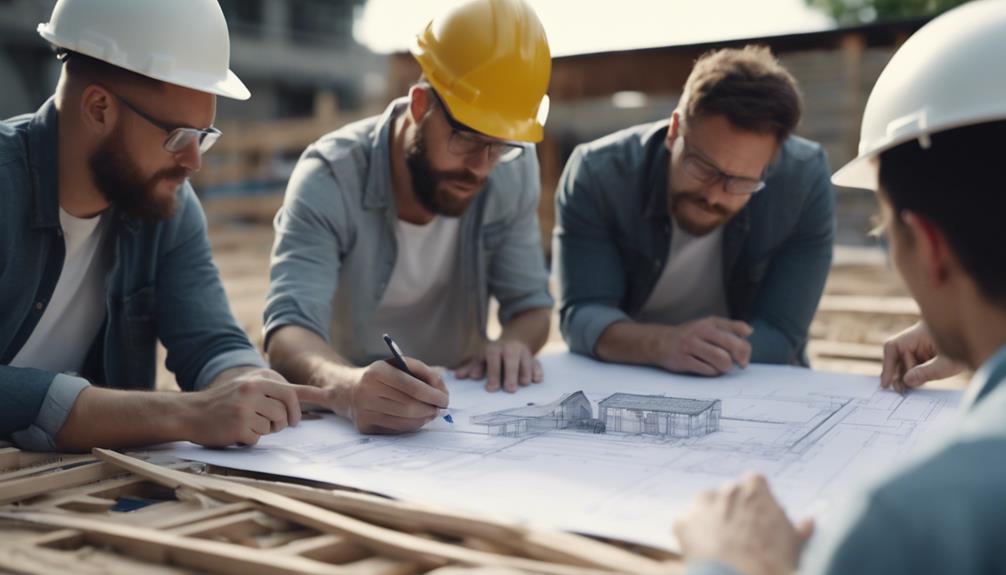
When you're on the hunt for top-notch home builders and remodelers near you, it's crucial to start with a clear understanding of your project's needs. You've got to consider everything from your budget to your timeline. But how do you sift through the crowd to find a contractor who not only understands your vision but can also execute it flawlessly? Start by exploring local builders' portfolios and customer reviews—this initial step can reveal a lot about their capabilities and reliability. However, there's more to the process than just surface details. In the next sections, you'll discover how to dig deeper to ensure you're making the best choice for your home project.
Identify Your Needs
Before you begin searching for a home builder or remodeler, it's crucial to clearly define what you need. Start by considering the scope of your project.
Are you looking to build a new home from scratch, or are you planning to renovate your current house? Your project's nature will significantly influence the type of professional you should hire.
Think about your style and preferences. Do you lean towards modern architecture, or is your taste more traditional? Knowing your aesthetic preferences will help you communicate more effectively with potential builders and ensure the final product aligns with your vision.
It's also essential to consider your budget. How much can you realistically afford to spend on this project? Setting a clear budget will guide your choices and help you avoid overspending.
Lastly, think about your timeline. When do you need the project completed? Having a timeline in place will help you discuss deadlines with your builder or remodeler and plan accordingly.
Taking the time to thoroughly assess these aspects of your project will put you in a better position to choose the right professional who can meet your specific needs and expectations.
Research Local Builders
Now that you've identified your specific needs and preferences, it's time to start researching local builders who can bring your vision to life. Begin by gathering a list of potential builders in your area. You can do this by asking for recommendations from friends and family, exploring online reviews, or visiting local real estate websites. Remember, word-of-mouth is often one of the best ways to find reliable professionals.
Once you have a list, take a deeper dive into each builder's portfolio. Look at their past projects to see if their style and quality meet your expectations.
It's also helpful to drive by homes they've built or remodeled. This can give you a tangible sense of their workmanship and attention to detail.
Don't forget to attend local home shows and builder expos. These events are great for meeting builders face-to-face, asking questions, and getting a feel for their professionalism and passion.
You can also pick up brochures and look at more examples of their work, helping you make a more informed decision.
Taking these steps will ensure you find a builder who not only fits your style but can also execute your home project with precision.
Check Credentials
After you've compiled a list of potential builders, it's crucial to verify their credentials to ensure they're qualified to handle your project. This step isn't just a formality; it's your safeguard against hiring someone who can't deliver the quality you're paying for.
Start by checking if the builders are licensed. This varies by state, so you'll need to visit your state's licensing board online to see specific requirements and verify the status of each builder's license. Don't hesitate to ask the builders for their license numbers.
Next, look into whether they're insured. This includes both liability and workers' compensation insurance. Insurance protects you from being liable if an accident occurs on your property during the project. Request copies of the insurance certificates and confirm their validity with the insurance providers.
You should also check for any professional affiliations, like membership in the National Association of Home Builders (NAHB) or local building industry associations. These memberships indicate a commitment to industry standards and continuous professional development.
Review Past Projects
Evaluating a builder's previous projects offers invaluable insights into their craftsmanship and ability to meet client expectations. You'll want to look at the variety and quality of the work they've completed. Are the finishes clean? Do the designs align with what you're envisioning? This step isn't just about visual appeal; it's about confirming whether they can handle the type of work you need.
Dive deeper by considering the scale of projects they've managed. Have they worked on homes similar to yours? It's crucial to know whether they're more experienced with small renovations or extensive builds. This tells you a lot about their logistical and project management skills.
You should also pay attention to the materials they use. High-quality materials are a good sign of a builder who doesn't cut corners. Moreover, check if their style adapts to different aesthetics or if they stick to a specific look. Flexibility can be a great advantage if you're looking for something unique.
Lastly, observe the integration of modern technology or eco-friendly practices in their projects, if that's important to you. It's a good indicator of how up-to-date they're with current trends and regulations in building standards.
Read Customer Reviews
Reading customer reviews is essential when selecting a home builder or remodeler. It's your best tool to gauge the reliability, expertise, and quality of the workmanship you can expect. Don't just skim the ratings—dive into the details of the feedback. Look for comments about how well the builder communicated throughout the project, adhered to timelines, and handled the budget. Were there unexpected costs? How did they manage issues as they arose?
Reviews can also highlight a builder's strengths. Maybe they excel in custom designs or eco-friendly practices. You'll want to know this if these features matter to you. Also, pay attention to how recent the reviews are. Companies evolve, and you'll want the most current insights.
While you're sifting through feedback, watch out for repeated concerns or patterns of behavior. A single negative review could be a one-off, but several similar complaints might indicate a consistent problem.
Ask for Referrals
Once you've reviewed customer feedback, don't hesitate to ask for referrals from the builders themselves. This direct approach can give you valuable insights that aren't always apparent in online reviews.
When you're talking to a builder, ask them to provide contacts for at least three recent clients. You'll want to reach out to these individuals and inquire about their experiences.
Ask specific questions:
- How did the builder handle deadlines and budget?
- Was the communication clear and regular?
- Did any issues arise, and how were they resolved?
This firsthand information can be crucial in deciding if they're the right fit for your project.
Don't just limit yourself to past clients; consider reaching out to other professionals who've worked with the builder, like architects or subcontractors. They can offer a different perspective on the builder's reliability and quality of work.
Compare Quotes
After gathering referrals and assessing reviews, it's crucial to compare quotes from multiple builders to ensure you're getting the best value for your money. Don't just look at the bottom line; examine what each quote includes. Are materials and labor covered? What about after-service warranties or guarantees? Differences in these details can significantly impact your overall costs and satisfaction.
When you've got the quotes in hand, lay them out side by side. This lets you see at a glance where costs differ and where you might be able to negotiate. Remember, the cheapest quote isn't always the best. Sometimes, a higher price can mean higher quality materials or more experienced labor, which could save you money down the road in maintenance and repairs.
Make sure you understand each builder's payment schedule and what each installment covers. Some builders might require larger upfront payments than others. This can affect your budgeting, so choose a schedule that fits comfortably with your financial plans.
Visit Ongoing Projects
Visiting ongoing projects offers a firsthand look at a builder's workmanship and the pace of their construction. It's a chance to see how the crew operates on-site and how neatly they maintain the area. You'll get a sense of whether they adhere to safety standards and how meticulously they handle the construction details, from framing to finishes.
When you're there, notice the materials used. Are they high-quality, or does it seem like they're cutting corners? This can tell you a lot about the longevity and quality of the work you can expect in your own project. Check for the organization of the site as well; a well-organized workspace often reflects a well-managed project.
Don't hesitate to talk to workers or the site supervisor (keeping in mind to not disrupt their work). Observing how they resolve issues on the spot can also be very telling. You can learn a lot from how the team handles the unexpected.
This visit isn't just about what you see; it's about feeling the atmosphere. Does the project seem like a chaotic rush, or is there a calm, orderly progress? These observations will help you choose a builder who matches your expectations for quality and management.
Discuss Communication Styles
Evaluating a builder's communication style is crucial before committing to a project. You'll want someone who's not only skilled at constructing or remodeling homes but also exceptional at explaining processes and answering questions. A builder's ability to communicate clearly and promptly can significantly influence the success of your project.
Start by asking them how they handle communication. Do they prefer emails, phone calls, or face-to-face meetings? Ensure their preferred methods align with yours. It's vital that you're comfortable with how you'll exchange information, especially when dealing with unexpected issues or changes.
Notice their responsiveness during your initial interactions. Are they quick to respond, or do you find yourself waiting days for an answer? Delays in communication at the early stages might reflect their approach during the project.
Also, discuss how they update clients on progress. Regular updates can keep you informed and at ease throughout the construction or remodeling process. Whether it's weekly emails or bi-weekly meetings, knowing what to expect helps manage your expectations and reduces misunderstandings.
Lastly, gauge their openness to questions. A good builder will encourage your inquiries and address them adequately, ensuring you feel part of the process and satisfied with the answers provided.
Evaluate Contracts and Warranties
Once you've established a builder's communication style, it's essential to thoroughly examine the contracts and warranties they offer. These documents are foundational to ensuring your project is completed to your satisfaction, and they protect you if things don't go as planned.
First, dive into the contract. It should lay out the scope of work, project timeline, payment schedule, and materials to be used, along with prices. Make sure everything you've discussed is included; don't rely on verbal agreements. Look for clauses on change orders and how they're handled. This is crucial because changes are common once work begins.
Next, scrutinize the warranty. It should clearly state what's covered and for how long. Pay attention to warranties on workmanship and materials. A one-year warranty is typical for workmanship, while materials might vary depending on the product. Some high-quality materials might come with longer warranties. Check if the warranty is transferable if you plan to sell your home.
Don't hesitate to ask questions or request clarifications about anything that's unclear. If necessary, have a lawyer review the documents. This step isn't about mistrust; it's about ensuring you're fully aware of your rights and obligations.
Conclusion
Once you've scoped out your project and researched local builders, don't forget to check their credentials and past work. Read reviews to gauge customer satisfaction and compare quotes to ensure you're getting a fair deal. Visiting ongoing projects offers a firsthand glimpse of their craftsmanship. Make sure you're comfortable with their communication style and thoroughly evaluate the contract and warranties. Taking these steps will help you choose a reliable builder or remodeler who can bring your vision to life.
Related articles: What Is the Difference Between a Builder and a Remodeler? · How Can I Verify If a Builder Is Licensed? · What Are the Benefits of Joining a Builders and Remodelers Association?