
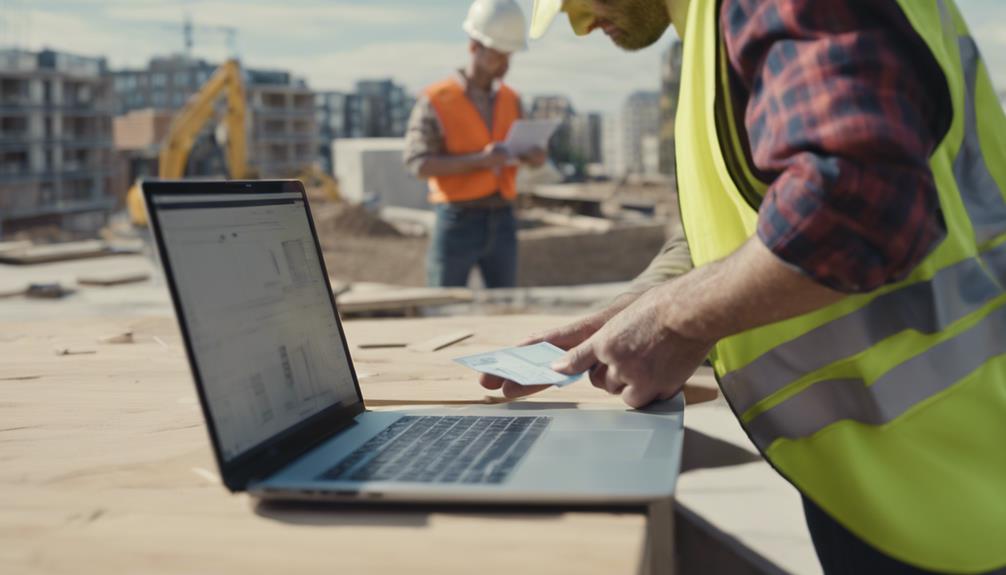
When you're planning a home renovation or new construction, ensuring your builder is licensed is crucial for both legal compliance and peace of mind. You'd start by checking with your state's licensing board, but what if they're unresponsive or the information isn't up to date? Online databases are useful, yet they vary greatly in accuracy and detail. So, how can you confidently verify your builder's credentials beyond these initial steps? There are several less obvious strategies you might not have considered, each offering additional insights into the builder's legitimacy and professionalism. Curious? Let's explore these methods together.
Understand Licensing Requirements
Before hiring a builder, it's crucial to understand the licensing requirements in your area. Different regions have varied regulations that builders must adhere to, so you'll want to make sure the one you're considering complies with these standards. Licensing isn't just about legality; it ensures that the contractor has met certain qualifications and standards of professionalism and safety.
You should start by familiarizing yourself with the general contracting laws specific to your location. These laws often outline the types of projects that require a licensed builder and the qualifications a builder must have to obtain a license. Knowing these can help you gauge whether your project needs a licensed professional and what to look for in a candidate.
It's also wise to learn about the penalties for hiring unlicensed builders. In some areas, this could mean fines or legal action against you if the work doesn't meet local codes. This knowledge arms you with the necessary information to ask the right questions and make informed decisions.
You're not just hiring someone to handle a job; you're ensuring that the construction meets all legal and safety requirements, protecting your investment and well-being.
Check State Licensing Board
Why not start your builder verification process by checking with your state's licensing board? Each state has its own board that regulates the licensing of builders and contractors, ensuring they meet specific standards of professionalism and competence. This step is crucial because it helps confirm that the builder you're considering is legally authorized to work in your state.
First, you'll need to find the contact information for your state's licensing board. This can typically be found with a simple web search. Once you have the contact details, give them a call or visit their office. You're looking for up-to-date information on the builder's license status, including any disciplinary actions or complaints on record.
It's also a smart move to ask about what specific licenses and certifications are required in your state for the type of work you need. Not all builders are licensed for all types of construction activities, so verifying that your builder's qualifications match your project needs is key.
Taking these steps ensures you're not just trusting someone's word. You're actively confirming their professional standing, which can save you a lot of trouble down the line.
Verify License Online
After checking with your state's licensing board, another effective way to verify a builder's license is by utilizing online resources. Most states offer a dedicated online portal where you can easily check a builder's licensure status. Simply enter the builder's name or license number into the search field, and the system will display relevant details, such as the issue and expiration dates of the license, any special endorsements, and if there are any disciplinary actions on record.
You can usually find these portals through your state's official government website or by searching for "[State] contractor license lookup." It's a quick way to ensure the builder you're considering is currently authorized to work in your state and adheres to local regulations.
Request License Information
If you're unable to verify a builder's license online, another reliable method is to request license information directly from the builder. Don't hesitate to ask them for their licensing details during your initial discussions. It's a standard practice in the industry, so a reputable builder won't mind sharing this information.
When you ask, specify that you need their license number and the name under which it's registered. This detail is crucial because you'll want to ensure that the license isn't only valid but also belongs to the individual or company you're dealing with. A genuine builder should be able to provide this information promptly.
If the builder hesitates or fails to provide the information, consider it a red flag. Professional builders understand that part of earning a client's trust involves transparency regarding their qualifications and legal compliances.
Assess Insurance and Bonding
Once you've confirmed that the builder is properly licensed, the next step is to ensure they're adequately insured and bonded. This is crucial as it protects you from potential liabilities and ensures that the builder can cover the cost of any unforeseen damages or issues.
First, ask the builder for proof of insurance. This should include both liability insurance and workers' compensation insurance. Liability insurance covers damages that could occur to your property during construction, while workers' compensation provides coverage if a worker is injured on your job site. Make sure the coverage amounts are sufficient to handle substantial claims.
Next, check if the builder is bonded. A bond is an additional layer of protection that functions like an insurance policy. If the builder fails to complete the project or meets contractual obligations, the bond can provide compensation to you. Confirm that the bond is current and covers the full scope of your project.
Lastly, don't hesitate to verify these details directly with the insurance and bonding companies. A quick call can confirm the validity of the policies and the builder's claims, giving you peace of mind before you move forward.
Look for Warning Signs
Many warning signs can alert you to potential problems when selecting a builder. If a builder hesitates to share licensing information or references, that's a red flag. Legitimate professionals should be transparent and eager to demonstrate their credibility.
You also need to be wary of exceptionally low bids. While everyone loves a deal, prices significantly below the market can indicate poor quality materials or substandard work.
Watch out for high-pressure sales tactics, such as urging you to sign a contract quickly to lock in a low price. Reputable builders give you time to consider your options and don't pressure you to make a hasty decision.
Additionally, inconsistent communication can be a sign of disorganization or a lack of professionalism. A builder who's hard to get a hold of or who rarely updates you on project status mightn't be reliable.
Read Online Reviews
After spotting potential red flags, it's essential to check online reviews for further insight into a builder's reputation. Begin by visiting popular review platforms such as Yelp, Google Reviews, and Better Business Bureau. Here, you'll find testimonials and ratings from previous clients which can provide invaluable feedback about the builder's reliability, quality of work, and customer service.
Don't just skim the top reviews. Dig deeper into both the positive and negative feedback to get a well-rounded view. Look for patterns that could indicate issues like missed deadlines, disputes over costs, or quality concerns.
It's also worth noting how the builder responds to complaints. Are they professional and solution-oriented? This can tell you a lot about their customer service approach and integrity.
Additionally, consider the context of the reviews. A builder might've high ratings, but if the positive reviews are sparse and dated, it mightn't be as reassuring as a consistently praised builder with recent feedback.
And remember, while reviews are helpful, they're only one piece of the puzzle in assessing a builder's credibility and professionalism.
Consult Industry Associations
Consulting industry associations can provide crucial information about a builder's credentials and standing in the field. These organizations often maintain comprehensive databases of licensed professionals, including builders, and can verify whether a builder is up to date on the latest industry standards and regulations.
As you navigate through your selection process, don't hesitate to reach out directly to these associations. They're there to help you ensure that you're dealing with a reputable professional.
Associations like the National Association of Home Builders (NAHB) or the Associated General Contractors (AGC) offer resources and tools to check the licensing status of builders and contractors in your area.
You can also look for specialized associations relevant to your project. For example, if you're building a green home, consider consulting organizations like the U.S. Green Building Council (USGBC), which can provide insights into builders who are certified to implement sustainable building practices.
Contact Local Building Inspector
Reaching out to your local building inspector is another crucial step in verifying a builder's license. These inspectors are well-acquainted with the builders who operate in your area and can provide firsthand verification of licensing status. You'll find that local government offices typically maintain updated records of licensed contractors, making them a reliable source for this information.
When you contact the building inspector, be ready with the builder's name and any company information you have. This will help them locate the records more efficiently.
Don't hesitate to ask specific questions about the builder's licensing status and any disciplinary actions or complaints filed against them.
It's also a good idea to inquire about the validity of the license and whether it's up to date.
Follow Up on References
Checking references is a key step in verifying a builder's credibility and quality of work. When you're in the process of selecting a builder, you'll want to ask for a list of past clients. Don't just collect these names; actively reach out to them. Ask detailed questions about their experience with the builder. Were they satisfied with the work completed? Did the builder stay on schedule and within budget? How did the builder handle setbacks or challenges?
It's also wise to inquire about the builder's communication style and reliability. Did they respond promptly to concerns? Was the client kept informed throughout the construction process? These insights can give you a clearer picture of what to expect if you decide to work with this builder.
Don't overlook the importance of seeing the builder's work firsthand. If possible, visit one of the finished projects. This allows you to assess the quality of construction and the attention to detail. It's one thing to hear about a builder's work and another to see it for yourself. This step can solidify your decision or steer you towards continuing your search for a builder.
Conclusion
You've got the tools to ensure your builder is legitimate. Always double-check their license with your state licensing board online or in person. Don't hesitate to ask directly for their license information—it's your right. Make sure they're also insured and bonded, look up reviews, and consult with industry associations for extra assurance. A quick chat with your local building inspector can reveal a lot. Remember, verifying a builder's credentials is crucial for your project's success and your peace of mind.
Related articles: What Are the Benefits of Joining a Builders and Remodelers Association? · What Should You Look for in Builders and Remodelers Reviews? · What Are the Legal Requirements for Builders Risk Insurance?