
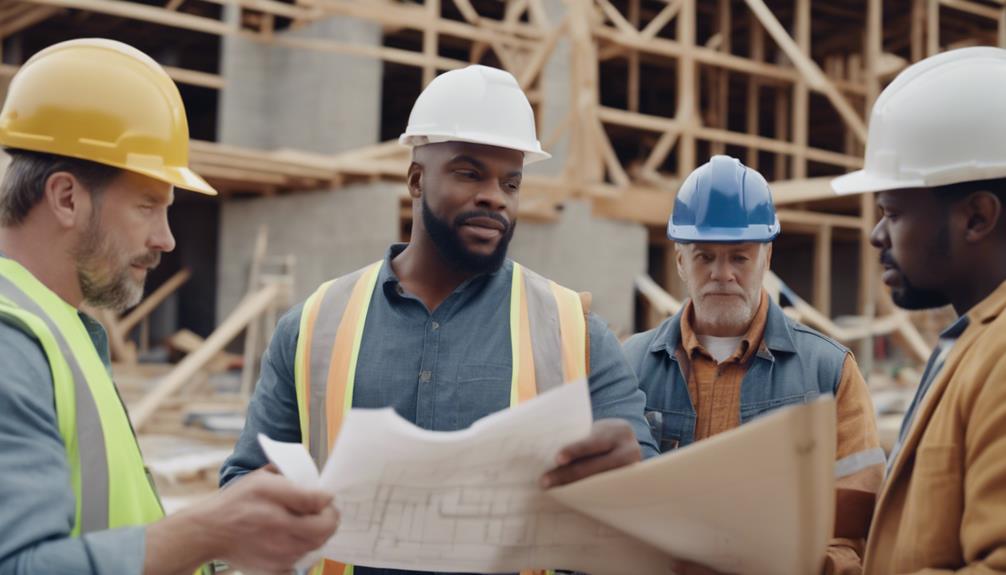
When you're planning to hire builders and remodelers, there's a lot you need to consider before making your final decision. You've got to verify their credentials, like ensuring they're properly licensed and insured, which protects you from unforeseen liabilities. It's also crucial to review their past projects and client feedback to gauge their experience and reliability. But beyond these basics, there's another layer of preparation that can make or break the success of your project. Have you considered how to handle potential disputes or changes in project scope? Let's explore the less obvious, yet critical details that often get overlooked.
Assessing Builder Credentials
When selecting a builder or remodeler, verifying their credentials is crucial. You'll want to ensure they're not just qualified on paper but also have a solid reputation and the necessary experience to handle your project. Start by checking if they're licensed. Most states require builders and remodelers to hold a valid license, which guarantees they've met certain standards in training and skill.
Don't stop there—ask for references. A trustworthy builder won't hesitate to share the contact details of previous clients. You can learn a lot by speaking to these homeowners about their experiences. Did the builder finish on time? Were they responsive to questions and concerns during the construction? This firsthand feedback is invaluable.
Also, consider their specialization. Some builders excel at new constructions while others are better suited for renovations. Make sure their expertise aligns with the specifics of your project.
Lastly, check if they carry insurance and are bonded. This protects you from potential liabilities, such as accidents or damages during construction. Without proper insurance, you could be left footing a hefty bill. Confirming these details upfront will save you from headaches down the line.
Understanding Contract Details
Once you've verified a builder's credentials and are confident in their ability to handle your project, the next step is to thoroughly understand the contract details. It's crucial that you don't skim over this part; every clause matters.
First off, ensure the contract clearly outlines the scope of work. What exactly is being built or remodeled? Are the materials and brands specified?
Next, check the payment schedule. It should align with project milestones, not just calendar dates. This way, payments are tied to progress, not just time passing. Also, look out for a clause on change orders. These are inevitable adjustments or additions to the original plan. How will these be priced and approved? You'll want this in writing to avoid surprises.
The completion date is another critical element. When will the project be finished? Look for specifics, and understand penalties or incentives tied to meeting these dates.
Lastly, make sure there's a clear procedure for disputes. If something goes wrong, how will it be handled? Knowing this upfront can save you headaches later.
Understanding these contract details protects you and ensures the project runs smoothly. Take your time and maybe even get a legal eye to glance over it before you sign.
Checking Insurance Coverage
After carefully reviewing the contract, your next priority should be to check the builder's insurance coverage. You need to ensure they've comprehensive coverage that protects against various risks associated with construction projects. Don't hesitate to ask for proof of insurance; credible builders won't mind providing this documentation.
Firstly, verify that they've general liability insurance. This is crucial as it covers property damage and bodily injuries caused by the builder's operations. It's your safety net if anything goes wrong on your property due to their work.
Secondly, ensure they carry workers' compensation insurance. This coverage is essential because it protects you from being liable if a worker is injured while on your job site.
Also, check for builder's risk insurance, which covers damages to the building materials and structure during construction. This type of insurance is particularly important during extensive remodels or new construction.
Evaluating Past Projects
Before hiring a builder or remodeler, it's crucial to evaluate their past projects to gauge their expertise and quality of work. You'll want to look at the variety and scope of projects they've completed. This insight can help you understand if they've tackled projects similar to yours and how successfully they've managed them.
Start by asking for a portfolio or pictures of recent jobs. Don't just skim through these images; dive deep. Look for the details in the craftsmanship and the materials used. Are the designs appealing and functional? Does the finish look professional? These elements are telltale signs of the quality you can expect.
It's also wise to ask for references. Speaking to past clients can provide a firsthand account of their experience. Were they satisfied with the results? Did the builder or remodeler meet their expectations in terms of quality and aesthetics? How did the contractor handle any issues that arose?
Checking online reviews and ratings can complement this evaluation. Websites and forums offer additional perspectives and can reveal patterns in the contractor's work history, like consistent delays or quality concerns. However, remember to consider the context of these reviews to get a balanced understanding.
Discussing Timelines and Deadlines
Having evaluated the builder or remodeler's past projects, you'll next want to discuss timelines and deadlines. It's crucial you're clear about when you expect the work to be completed and what milestones should be met along the way. This conversation helps ensure your project stays on track and both parties understand the schedule.
Ask the builder to provide a detailed timeline, including the start and completion dates, and specific phases of the construction or remodeling process.
Don't hesitate to question any dates that seem unrealistic or overly optimistic. It's better to address these issues now rather than face delays later.
You should also discuss what happens if they miss a deadline. Is there a plan in place to catch up? Are there penalties or contingencies? Knowing these details upfront can save you a lot of stress.
Moreover, make sure these timelines are included in your contract, making them legally binding.
Budget Planning and Estimates
Once you've set a timeline with your builder, it's crucial to tackle the financial aspects of your project. Budget planning and obtaining estimates are foundational steps you shouldn't overlook. Start by defining a clear budget limit. This includes not only the cost of materials and labor but also a contingency fund for unexpected expenses, typically around 10-20% of your total budget.
You'll need detailed estimates from your builder. Make sure these estimates are as comprehensive as possible, covering all aspects of the project from start to finish. It's wise to get these in writing, detailing the cost of materials, labor, and any subcontractor fees. Compare these with other quotes to ensure you're getting a fair price.
Don't hesitate to ask your builder about potential ways to reduce costs without compromising on quality. Sometimes, changing materials or adjusting project details can save you money.
Communication and Updates
After establishing a budget and obtaining estimates, maintaining open lines of communication with your builder is key to ensuring the project stays on track. You'll want to set up regular check-ins, either weekly or bi-weekly, to discuss progress and any adjustments needed. This keeps you in the loop and fosters a transparent relationship.
It's also crucial to decide on the mode of communication that works best for both of you. Whether it's emails, phone calls, or face-to-face meetings, consistent and clear exchanges can prevent misunderstandings. Make sure you're both accessible and responsive to keep the project flowing smoothly.
Don't hesitate to ask for updates on specific aspects of the work. If you're curious about the installation of fixtures or the timeline for electrical work, ask away. Your builder should be able to provide detailed updates that help you understand the current stage of the project and what's coming next.
Lastly, ensure that all significant communications are documented. This might include changes in the project scope, approvals, or unexpected challenges. Written records can be invaluable for reference and clarification, ensuring both parties are aligned and accountable. This proactive approach will help you manage the project effectively and avoid potential pitfalls.
Handling Disputes and Issues
When conflicts arise during your building or remodeling project, it's crucial to address them promptly and directly. First, try to resolve any issues with face-to-face communication. This allows both you and the contractor to clarify misunderstandings immediately.
If that doesn't work, refer back to your contract. It's your roadmap for resolving disputes about project scope, materials, timelines, and payment terms.
If the issue persists, consider involving a mediator. Mediation can facilitate a fair resolution without the need for legal action. It's less formal, less intimidating, and often less expensive than going to court. Make sure the mediator has experience in construction disputes.
Document every interaction you have concerning the dispute. Keep emails, notes from meetings, and any related documents organized. This documentation can be crucial if the dispute escalates to legal action.
Remember, it's important to stay professional and composed. Losing your temper can damage your relationship with the builder and complicate the resolution process. Keep your communications clear and focused on finding a solution rather than placing blame.
In the worst case, if a resolution can't be found through mediation, you might need to consult with a lawyer who specializes in construction law to discuss your options for moving forward.
Preparing for Construction Impact
Before construction begins, it's essential to understand the potential impacts on your daily life and prepare accordingly. You'll face noise, dust, and maybe even temporary disruptions to utilities. It's wise to discuss timelines with your contractor to anticipate the noisiest or most disruptive phases. This way, you can plan your schedule around them, possibly working from another location or planning outings during particularly intense work periods.
Consider your living conditions. You might need to set up a temporary kitchen or relocate furniture to rooms far from the construction. Protect your belongings from dust and damage by covering them with sheets or plastic tarps.
Also, think about access routes for the builders—ensuring they've a clear path will help minimize disruption and keep your home organized.
Lastly, keep communication lines open with your contractor. Regular updates can help you adjust your daily routines and make further preparations as needed. Being proactive about these preparations can significantly reduce the stress and inconvenience typically associated with home remodeling projects. Remember, the more prepared you are, the smoother the process will be.
Conclusion
Before you hire builders and remodelers, make sure you've done your homework. Check their credentials, review past work, and confirm they have the right insurance. Understand every detail in the contract, from budgets to timelines. Keep communication lines open to handle any issues promptly. Remember, thorough preparation and clear expectations are key to minimizing stress and ensuring your construction or remodeling project runs smoothly. Don't hesitate to ask questions and stay involved from start to finish.
Related articles: What Are the Key Responsibilities of a Builder? · How Can Builders Risk Insurance Protect Your Project? · What Are the Pros and Cons of Being a Builder?