
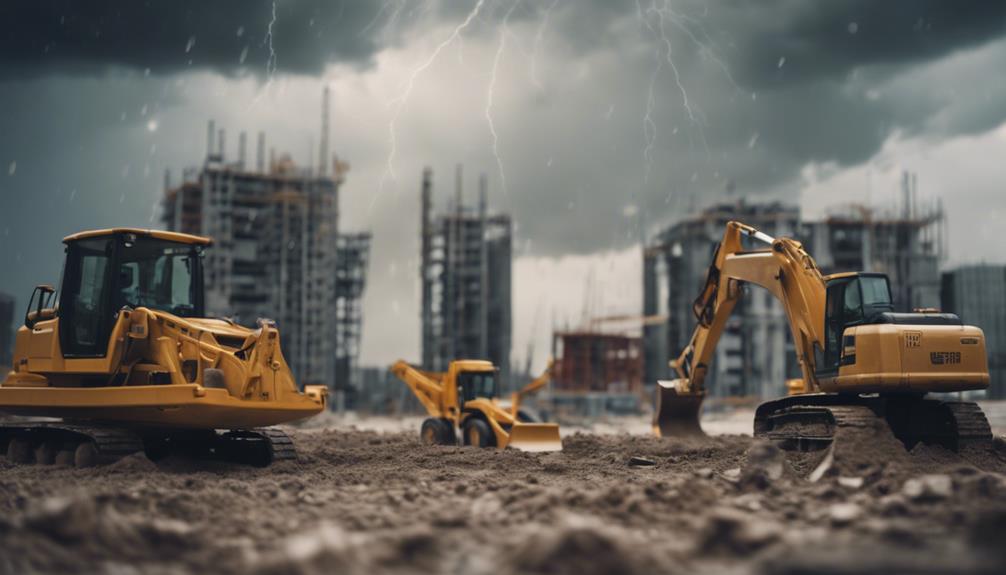
As you embark on a new construction project, have you considered how vulnerable your investment is to unexpected events? Builders risk insurance is designed to shield you from losses due to incidents like fire, theft, or natural disasters, starting from groundbreaking until completion. It's essential in maintaining not only the financial health but also the timely progression of your project. Imagine facing a major setback, such as a fire or theft—without coverage, you're left shouldering potentially crippling financial burdens. Now, consider how this insurance could be the safeguard that keeps your project on track. What specific risks could it help you mitigate?
Understanding Builders Risk Insurance
Builders risk insurance is essential for protecting your construction project from unforeseen events, such as fire, theft, or weather damage. When you're knee-deep in managing supplies, schedules, and subcontractors, the last thing you need is a financial setback due to an unexpected incident. This type of policy steps in to shoulder the financial burden, ensuring that your project stays on track financially, even when things go wrong physically.
You might wonder who exactly should consider this insurance. It's ideal for anyone involved in the construction process, including property owners, general contractors, and even developers. The coverage kicks in during the construction period, starting usually when all contracts are signed, but it's important to confirm this as start times can vary.
One key aspect you'll appreciate is the flexibility in policy terms, typically ranging from three months to a year, with options to extend if the construction period lengthens. This adaptability makes it practical for projects of different scopes and timelines.
Coverage Scope and Limitations
While builders risk insurance offers robust protection for your construction projects, it's important to understand its coverage scope and limitations. Typically, this type of insurance covers risks associated with damage to the building under construction, including fire, wind, theft, and vandalism. However, it doesn't cover everything. You'll find that certain perils like earthquakes and floods often require additional policies. It's crucial to review the exclusions listed in your policy to ensure you're fully aware of what isn't covered.
Moreover, coverage limits also play a critical role. These limits define the maximum amount the insurance company will pay in the event of a claim. It's essential to ensure that the coverage limit matches the total completed value of your project, including all materials and labor costs, to avoid being underinsured.
Key Benefits for Project Managers
Understanding builders risk insurance can significantly streamline your management responsibilities during construction projects. This specialized form of coverage acts as a safeguard, enabling you to focus on the project at hand without undue stress over potential property damage or loss. It's a proactive solution that covers not just the structure, but also materials on-site, in transit, or temporarily stored.
As a project manager, you'll find that having this insurance in place boosts your credibility with investors and clients. They'll trust you more, knowing that their investment is protected against unforeseen incidents. This trust is invaluable, often leading to smoother project execution and potentially more business opportunities for you in the future.
Moreover, builders risk insurance can lead to financial stability for the project. You won't have to scramble for funding or delay the project if disaster strikes. The policy typically handles the replacement costs, which means you can keep the project timeline intact. This continuity is crucial for maintaining momentum and meeting deadlines, ensuring that your project doesn't just stay afloat but thrives even in the face of challenges.
Addressing Common Risk Factors
To effectively mitigate risks in your construction project, it's essential to identify and address common risk factors early on. Weather events, theft, and vandalism are among the top threats that can derail your timeline and inflate costs. You'll want to start by assessing the geographic and environmental factors specific to your site. Does the area experience high winds, floods, or frequent storms? Tailoring your insurance to cover these specific risks can save you headaches later.
Furthermore, securing your site is crucial. Implement robust security measures such as fencing, surveillance cameras, and lighting to deter theft and vandalism. Regularly updating these systems ensures they remain effective and responsive to emerging threats.
Material damage is another significant risk, especially when dealing with delicate or expensive components. Establish stringent handling and storage protocols to minimize accidental damage. Educate your team on these procedures to ensure everyone's on the same page.
Lastly, don't overlook the importance of consistent project monitoring. Regular inspections and audits can catch issues early, preventing minor problems from becoming major setbacks. By staying proactive, you're not just safeguarding your physical assets but also protecting your project's timeline and budget.
Claims Process Explained
After taking measures to mitigate various risks to your construction project, you might still face situations where filing a claim under your builder's risk insurance becomes necessary. Understanding the claims process is crucial to ensure you're adequately compensated for any losses or damages.
Firstly, you'll need to notify your insurance provider as soon as possible after an incident occurs. This step is vital; delaying can affect your claim's validity. You'll likely need to provide detailed information about the damage, including photographs, repair estimates, and a police report if applicable.
Next, your insurer will review your claim to verify the extent of the damage and determine if it falls under the coverage of your policy. It's important that you're transparent and provide all requested documentation to avoid any delays.
An adjuster might be sent to assess the damage on-site. This professional will play a key role in deciding the compensation amount based on the policy terms and the damage severity.
Once the assessment is complete, and your claim is approved, you'll receive the funds needed to proceed with repairs or replacements. Make sure you keep all receipts and records of expenses related to the claim; they're often required for final settlement.
Choosing the Right Policy
Selecting the right builder's risk insurance policy is crucial for the protection of your construction project. You'll want to start by assessing the specific risks associated with your project. Are you building in a flood-prone area? Is the construction site vulnerable to vandalism or theft? Understanding these details can guide you in choosing a policy that covers all potential risks.
Next, consider the policy limits. Ensure the coverage amount adequately reflects the total completed value of the project, including all materials and labor costs. You don't want to be underinsured, as this could leave you footing a significant bill if disaster strikes.
It's also wise to look at the policy duration. Builder's risk insurance should ideally cover the entire construction period. Check if you can extend the coverage in case of delays, which aren't uncommon.
Lastly, compare deductibles and premiums from several insurers. Lower premiums might seem attractive, but they often come with higher deductibles, which means more out-of-pocket expenses for you if you need to file a claim. It's about finding that balance between cost and coverage.
Make sure you read the fine print and understand what's excluded from the policy. Sometimes, the devil is in the details!
Conclusion
In wrapping up, builders risk insurance is essential for safeguarding your project against unexpected setbacks. By choosing the right policy, you'll ensure that potential risks like theft, weather damage, and vandalism are well-managed. This coverage keeps your project on track financially and time-wise, even when the unexpected occurs. So, don't overlook the importance of this protective measure — it's key to maintaining momentum and meeting your deadlines with confidence. Make sure you're covered from the start!
Related articles: What Are the Pros and Cons of Being a Builder? · What Qualifications Should a Builder Have? · Can Builders Also Offer Design Services?