
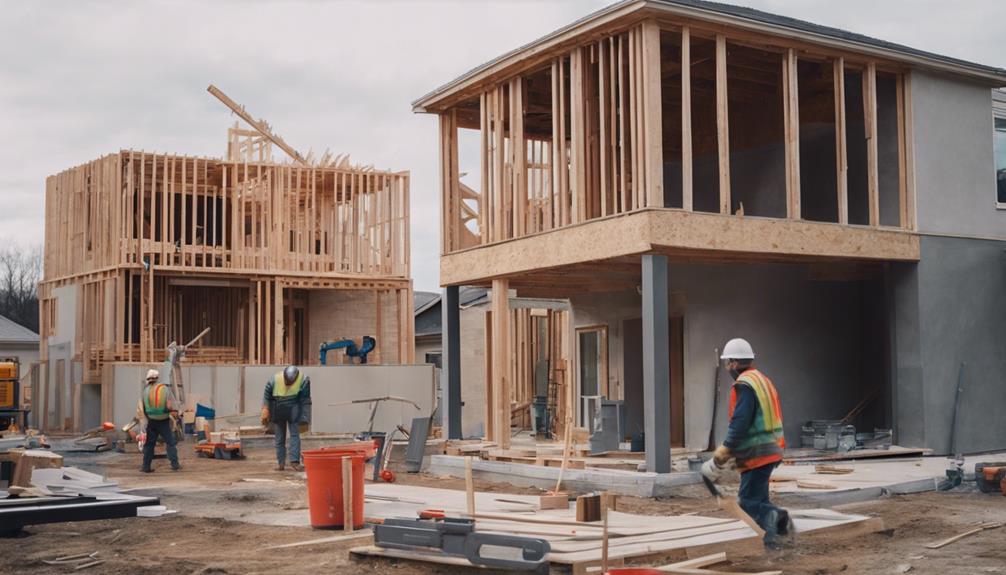
When you're facing the decision of choosing between builders and renovators near you, it's crucial to start by understanding the nature of your project. Are you looking to create something entirely new, or does your space simply need a refresh? This initial distinction significantly impacts your choice, as builders generally focus on new constructions, whereas renovators are experts in modification. But beyond the type of project, there are other factors such as cost, expertise, and timelines that you'll need to consider. How do you sift through these elements to find the right professional for your specific needs? This question is vital as it shapes the success of your project.
Assessing Your Project Needs
Understanding your project's scope is the first step in deciding whether to hire a builder or a renovator. You've got to clearly define what you're aiming to achieve. Are you looking to create something new, or are you more focused on enhancing what's already there? This distinction is vital.
If you're planning to add a room, renovate a kitchen, or perhaps extend your living space, then detailing these elements will help determine the right professional. Builders are typically your go-to for constructing new structures from the ground up. They handle projects that involve extensive architectural knowledge, dealing with raw lands, or building new frameworks.
On the other hand, if your goal is to update the existing structure, like revamping your bathroom tiles or upgrading your windows, a renovator is who you'd likely need. They specialize in transforming and enhancing spaces within their current confines.
Understanding Builder Qualifications
Now that you know whether a builder is right for your project, it's important to evaluate their qualifications. Start by checking if they're licensed. Most regions require builders to hold a valid license, ensuring they meet certain standards. Verify this through your local licensing board's website—it's a crucial step to avoid legal issues down the road.
Next, look at their experience. You'll want a builder who's a track record of handling projects similar to yours. Ask for a portfolio of past work and references. Don't just take their word for it; contact these references to hear firsthand about their experiences.
Insurance is another key factor. Ensure your builder has both liability and workers' compensation insurance. This protects you if something goes wrong during the construction process. You can ask to see certificates of insurance to confirm they're up to date.
Renovator Expertise Evaluation
Evaluating a renovator's expertise is just as critical as selecting the right builder. You'll want to ensure they've got the specific skills to tackle your project. Start by checking their credentials. Are they licensed and insured? This is non-negotiable as it protects you legally and financially.
Next, dive into their portfolio. You're looking for projects similar to yours in scale and style. Pay attention to before and after photos; they're a great indicator of the quality and impact of their work.
Don't just skim—ask for details about specific renovations and the challenges they faced.
References are your next step. Talking to past clients gives you insights you can't get from photos. Ask about timeliness, communication, and overall satisfaction. Were there surprises? How were they handled?
Also, consider their specialty. Some renovators excel in kitchens and bathrooms, while others might be experts in historical renovations. Make sure their strengths align with your needs.
Lastly, check how they stay current. The best professionals continue learning about new technologies and trends. If they're engaged in ongoing education and professional organizations, it's a good sign they're committed to their craft.
Comparing Costs and Budgets
When choosing between builders and renovators, it's crucial to compare their pricing and how it fits within your budget. You'll find a wide range of costs, depending on the complexity of your project and the expertise of the professionals. Start by requesting detailed quotes from several providers. These should break down the costs of materials, labor, and any additional fees. This transparency allows you to see where your money is going and helps prevent unexpected expenses.
Next, consider the value each builder or renovator brings. A lower quote might be tempting, but it's important to assess what's included.
Sometimes, a slightly higher cost can mean better quality materials or more experienced workers, which can save you money in the long run by reducing the need for future repairs or upgrades.
Evaluating Timeline and Availability
Consider the timelines and availability of builders and renovators as you plan your project. You've got a vision, and naturally, you're eager to see it come to life. However, the reality of scheduling can significantly affect your project's start and completion dates.
Firstly, ask for a clear timeline from potential builders or renovators. How soon can they start? Are there other projects ahead of yours? It's crucial because you don't want to select someone who's too booked to handle your project efficiently. Builders and renovators with a packed schedule might rush your work or, worse, push your project back.
Next, discuss how long the project will take. Make sure they can commit to a realistic timeframe and not just a date to appease you. Delays can be common in construction and renovations, but frequent updates and a well-defined schedule can mitigate misunderstandings.
Lastly, consider seasonal factors and their impact on your project timeline. Certain times of the year are busier for builders due to favorable weather conditions, which could mean longer waiting periods. Align your expectations and timelines by choosing professionals who demonstrate flexibility and transparency about their availability and project duration.
Reviewing Past Work Examples
After ensuring that your prospective builders or renovators can meet your project's timelines, it's equally important to review examples of their past work. Seeing what they've accomplished gives you insight into their craftsmanship, style, and attention to detail. You want to ensure their abilities align with the vision you have for your home.
Start by asking for a portfolio. Most reputable builders or renovators will be proud to showcase their past projects. Look for before and after photos, which can highlight the transformation and demonstrate the level of impact their work can have. You'll get a sense of whether they specialize in contemporary, traditional, or eclectic styles, and see firsthand how they handle space, materials, and light.
Don't stop at just looking at pictures; ask about the context of each project. Understanding the challenges they faced and the solutions they implemented can be critical.
Was there a tight budget? Did they need to work around structural limitations? Answers to these questions can reveal a lot about their problem-solving skills and adaptability.
Checking Client Testimonials
Reviewing client testimonials is your next crucial step in selecting the right builder or renovator for your project. These testimonials provide real-world insights into the quality of work and customer satisfaction that each professional has delivered in the past. It's like getting a sneak peek into their reputation without committing first.
Start by visiting their websites or social media pages where customers often leave feedback. Pay attention to both praise and complaints to gauge how consistently good their service is. Are there repeated mentions of the same issues or commendations? This pattern can tell you a lot.
Don't just skim the surface; dive deeper by asking for references you can contact directly. Most trustworthy professionals will be happy to provide contacts if they're confident in their work history.
When you chat with these references, ask specific questions about the projects' execution, adherence to budget and timelines, and how effectively they handled any challenges.
Considering Communication Styles
While evaluating builders and renovators, it's essential to consider how well they communicate. You're not just buying a service; you're entering a relationship that requires clear, consistent dialogue. Think about it: will they update you regularly? Can they explain technical terms in ways that you'll understand? These factors dramatically affect your satisfaction and the project's success.
Start by assessing their responsiveness during your initial inquiries. Did they return your calls promptly? Were their emails clear and detailed? This initial interaction is a reliable indicator of future communication patterns.
During meetings, notice if they're attentive and patient. You're likely not a construction expert, and you'll appreciate a professional who takes the time to ensure you understand the scope and nuances of the work.
Moreover, observe whether they ask questions about your preferences and concerns. This two-way communication is crucial for customizing your project to your satisfaction.
Analyzing Contract Flexibility
Contract flexibility can significantly impact your overall experience and project outcome when selecting a builder or renovator. You'll need to ensure the agreement you sign allows some leeway for changes you might want or need as the project progresses. Rigid contracts can lead to frustration and, potentially, additional costs if you decide to alter your plans mid-way.
When evaluating contract flexibility, consider how changes are handled. Are there clauses that outline the process for modifications? You'll want a contract that clearly states any fees associated with change orders and the timeline for approving these modifications. This clarity will help you avoid any surprises or disputes down the line.
Also, it's crucial to discuss with your builder or renovator how they handle unforeseen issues such as discovery of structural problems or changes in material availability.
A flexible contract should provide mechanisms for dealing with these situations without escalating costs uncontrollably.
Before you sign, have a lawyer review the contract. They can point out any potential pitfalls and ensure the contract allows for reasonable flexibility. Remember, it's not just about building or renovating; it's about doing so in a way that accommodates unforeseen changes without compromising your vision or budget.
Planning for Future Maintenance
After ensuring your contract allows for flexibility during the building or renovation process, it's equally important to plan for the maintenance that will be required once the project is completed. You'll want to consider the long-term upkeep of any new additions or alterations. This isn't just about fixing things when they break; it's about preventing issues before they arise.
Start by asking your builder or renovator about the durability of the materials they're using. Are they suited to your area's climate? Will they require regular treatments or replacements? It's also wise to discuss maintenance responsibilities. Sometimes, contractors offer service packages or warranties that cover certain repairs or regular maintenance for a set period.
Next, think about accessibility for future repairs. Ensure that areas like plumbing, wiring, and structural supports are easily accessible. Retrofitting these can be costly and intrusive if they're not considered beforehand.
Lastly, set aside a maintenance budget. Even the highest quality constructions will need upkeep. By planning financially for routine checks and minor repairs, you'll avoid larger expenditures down the line. Remember, maintaining your property is an ongoing commitment that keeps your space safe, functional, and looking its best.
Conclusion
In wrapping up, you've got to weigh your options carefully. Decide if you're starting fresh or upgrading what you've got. Check qualifications, compare costs, and don't overlook timelines. Listen to what other clients say and notice how well builders or renovators communicate. Make sure the contract gives you some wiggle room and think ahead about maintenance. Choosing between builders and renovators near you isn't just about today's project—it's about your peace of mind tomorrow.
Related articles: What Are the Benefits of Attending a Builders and Remodelers Show? · What Should You Know Before Hiring Builders and Remodelers? · What Are the Key Responsibilities of a Builder?