
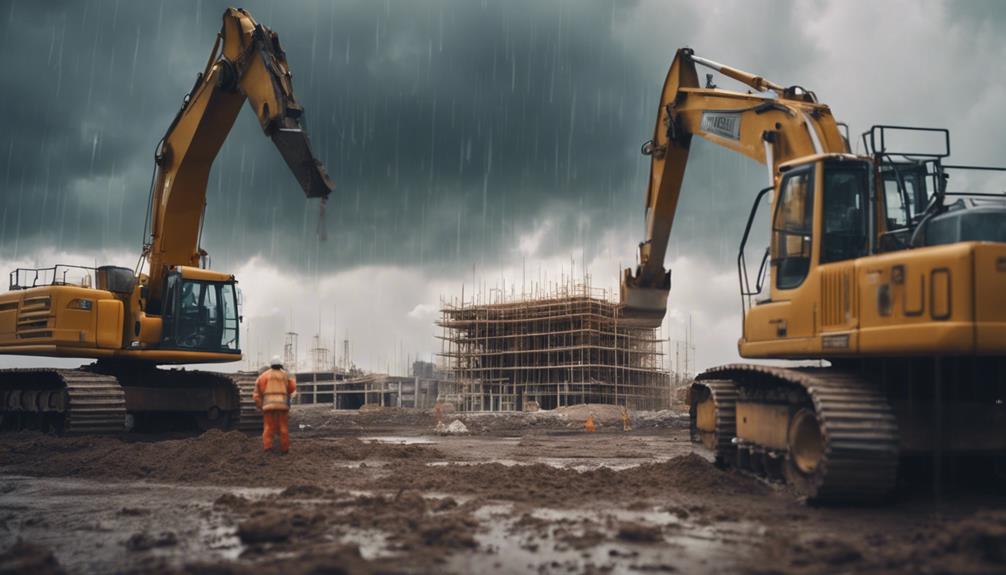
When you're embarking on a new construction project, you must consider how you'll protect your investment from unforeseen damages or losses. That's where Builders All Risk Insurance comes in. This type of insurance covers you from the start of construction until the project is completed, safeguarding against incidents like theft, fire, or natural disasters. It's tailored to handle the complexities and risks associated with building projects. Now, you might wonder about the specific risks covered, the exclusions, or how this differs from standard property insurance. Let's explore why understanding these details could be crucial for your project's success and financial security.
Understanding Builders All Risk Insurance
Builders All Risk Insurance offers vital protection for construction projects, shielding you from financial losses due to damage or destruction during building. As you step into the world of construction, whether as a developer, contractor, or property owner, understanding this insurance is crucial. It's not just about adhering to legal requirements; it's about safeguarding your investment from unforeseen events.
This type of insurance typically covers the construction period itself, and the coverage can extend to include certain materials and equipment needed for the project.
Imagine you're constructing a new building and a severe storm hits, causing significant damage to the structure. Without this insurance, you're left facing hefty out-of-pocket expenses to repair or restart the work. But with it, you're covered. The insurance company steps in to handle the costs, allowing the project to continue with minimal financial disruption.
Key Coverage Areas Explained
Understanding the key coverage areas of Builders All Risk Insurance is crucial to maximizing your policy's effectiveness. This type of insurance primarily protects you against the risks associated with construction projects, from start to finish. Let's break down what's typically covered.
Firstly, you're covered for damage to the structure itself. This includes any harm caused by fire, water, storms, and even vandalism during the construction phase. It's not just the building; materials and equipment on site are also protected. So, if a sudden storm damages the construction materials left outside, you're covered.
Secondly, there's coverage for theft. Construction sites are often targets for theft of valuable machinery and tools. With this insurance, if someone swipes your expensive equipment, you won't be left footing the bill to replace it.
Third-party liability is another critical area. If your construction activity causes injury to a passerby or damage to neighboring property, this insurance helps manage the financial repercussions. It's an essential safeguard, considering the high-risk nature of building sites.
Lastly, certain policies extend to cover the costs of delays. If an insured risk like a fire delays your project, the policy may cover the additional operational costs, helping you stay on track financially.
Benefits of Opting for BAR Insurance
After exploring the key coverage areas of Builders All Risk Insurance, let's examine the advantages of choosing this policy for your construction projects.
First off, you'll enjoy comprehensive coverage. BAR insurance protects against a wide range of risks, from fire and theft to natural disasters. This means you're covered in most unforeseen situations, keeping your project on track and within budget.
Additionally, you'll benefit from the flexibility of coverage adjustments. As your project evolves, you can adapt your policy to meet new challenges, ensuring that you're always protected. This adaptability is crucial in managing the dynamic nature of construction projects.
You'll also find that having BAR insurance significantly enhances your credibility with clients and investors. It shows you're proactive about risk management, which can help you secure more projects and better terms. This can be a game-changer in competitive bids.
Moreover, BAR insurance can provide financial stability. In the event of a covered incident, you won't have to bear the full brunt of repair or replacement costs. This can safeguard your cash flow and protect your business from significant financial strain, allowing you to focus on successful project completion.
Common Exclusions and Limitations
While Builders All Risk Insurance offers extensive coverage, it's crucial to be aware of its exclusions and limitations. Typically, this type of insurance doesn't cover damages due to ordinary wear and tear, which is inevitable over time.
Also, you'll find that consequential losses, or damages that occur as a secondary result of a primary event, aren't covered. This means if an uncovered incident leads to further damages, those subsequent losses won't be included in your coverage.
Furthermore, it's important to note that any wilful misconduct or negligence on your part can void your coverage. That's a big deal because it places a heavy emphasis on maintaining strict safety and operational standards on your construction site.
Also, damages caused by defects in design, materials, or workmanship are typically excluded. This specific limitation can be tricky, as faults may only become apparent after some time.
Natural disasters such as earthquakes and floods might also be excluded unless specified otherwise in your policy. You'll need to review your policy details or speak with your insurer to understand the specific exclusions and whether additional coverage is necessary for these risks.
How to Choose the Right Policy
Knowing the common exclusions and limitations of Builders All Risk Insurance, you now face the task of selecting the right policy that aligns with your specific project needs. It's essential to assess the scope and duration of your construction project.
Are you renovating a small office or constructing a multi-story building? The scale impacts the risk and therefore the coverage required.
First, determine the total value of your project including materials, labor, and other expenses. This ensures you don't underinsure, which can be a costly mistake if a claim exceeds your policy limits.
Next, consider the project's timeline. Delays are common in construction, so check if the policy covers extensions.
You'll also want to review the insurer's claim process and history. A company with a streamlined, transparent claim process can save you a lot of hassle. Additionally, pay attention to customer reviews and ratings—they're often telling of the insurer's service quality.
Lastly, compare quotes from multiple insurers. Don't just look at the premium costs; examine what's covered and what's not. Check for any additional benefits or support services offered. Remember, the cheapest option isn't always the best. Choose a policy that offers a balance of cost, coverage, and service.
Conclusion
In conclusion, securing Builders All Risk Insurance is essential for your construction project. It protects your investment from unexpected damages and financial turmoil. Remember, while it covers a broad range of risks, it doesn't cover everything. Be mindful of the exclusions and choose a policy that best fits your project's specific needs. Don't overlook this critical step; ensuring you have the right coverage in place can save you from significant financial and operational headaches down the line.
Related articles: What Is Builders Risk Insurance and How Does It Work? · What Is the Process of Building Remodeling? · What to Expect at the Builders and Remodelers Show?