
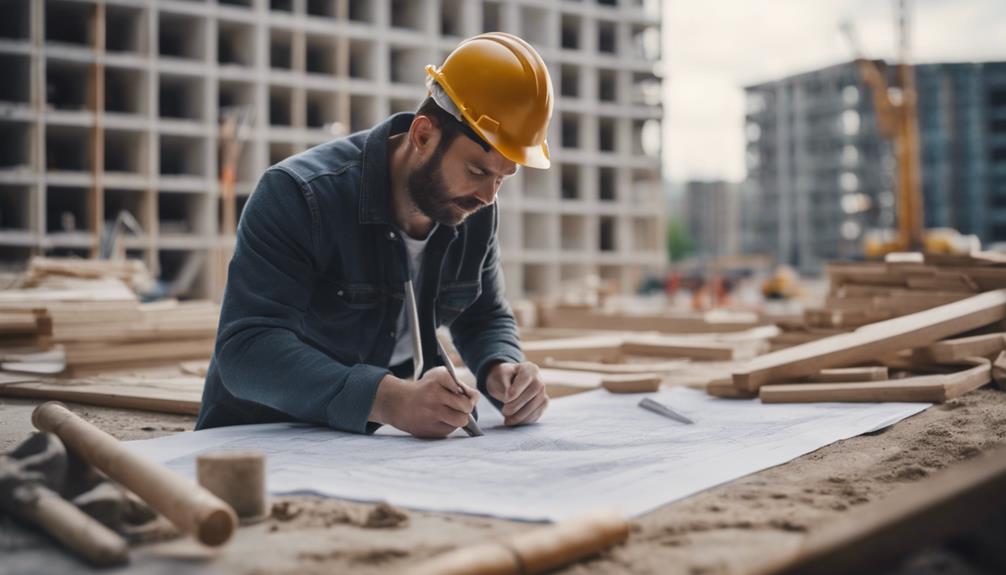
As a builder, you're tasked with more than just the physical construction of a site. You're responsible for the entire project lifecycle—from interpreting complex blueprints to managing tight construction timelines. Ensuring each phase meets safety standards and quality expectations falls on your shoulders, as does maintaining a transparent line of communication with all stakeholders involved. It's your job to balance the books, select the right materials, and manage a diverse team. But, have you considered the less obvious roles you play in the broader scope of a project's impact? Let's explore how these foundational responsibilities can influence more than just the immediate outcomes.
Interpreting Construction Blueprints
Understanding a builder's construction blueprints is crucial for accurate project execution. You've got to be able to look at these detailed diagrams and grasp not just the big picture, but the minutest details. These blueprints serve as the roadmap for the entire construction process, telling you where each piece of the puzzle fits.
Each line, symbol, and notation on a blueprint has a specific meaning, and you need to learn their language. It's like putting together a complex LEGO set without the instructions if you don't understand these elements. You wouldn't want the foundation to be laid in the wrong spot because you misread the site plan, would you?
Moreover, interpreting these blueprints accurately helps in communicating effectively with your team. You'll be able to explain the project's scope clearly, ensuring that everyone from the electricians to the plumbers knows exactly what to do. This clarity reduces errors and increases efficiency, which can save both time and money.
Don't forget that sometimes you'll need to adjust on the fly. Changes in materials or design might require a quick reevaluation of the original plans. Being adept at reading and adapting blueprints will make these transitions smoother and keep your project on track.
Managing Construction Timelines
Managing construction timelines effectively can make or break a project. You've got to be on top of every phase, ensuring everything runs smoothly and stays on schedule. It starts with a clear, detailed plan. You need to set realistic deadlines for each stage of construction, from groundwork to the final touches. Remember, a well-crafted timeline is your roadmap through the complexities of building.
You'll also need to be proactive about monitoring progress. This means regularly checking in on site, assessing work completed against the schedule, and adjusting as needed. Delays can happen—weather, supply issues, or unforeseen complications. It's your job to anticipate these disruptions and have contingency plans ready.
Effective communication is crucial. Keep everyone, from your team to your clients, informed about the project's progress and any changes to the timeline. Transparency builds trust and helps maintain morale.
Lastly, document everything. Maintaining detailed records of the process helps you analyze project flow and identify areas for improvement in future projects. It's all about learning and refining your approach.
Stay organized, stay vigilant, and keep everyone aligned. That's how you ensure your project finishes on time and meets expectations.
Coordinating Subcontractor Activities
Coordinating subcontractor activities is essential to maintaining the fluidity of your construction project. As a builder, you're tasked with overseeing various teams to ensure that each phase of the construction process aligns perfectly with your project's timeline and quality standards.
You'll need to effectively manage the scheduling of these subcontractors, making sure that their work doesn't just start and end on time, but also interlocks seamlessly with the efforts of other teams.
It's like conducting an orchestra where each section must come in at the right moment for the symphony to sound right.
Make sure you're always a step ahead, anticipating needs and potential overlaps or conflicts. You'll need to communicate regularly and clearly with all parties involved.
This means not only scheduling regular updates but also being on-site to oversee critical phases of the construction.
You must also handle the logistics of having multiple teams on site. This includes coordinating the use of shared resources, like machinery and space, to prevent bottlenecks that can delay your project.
Ensuring Compliance With Safety Standards
In the realm of construction, ensuring compliance with safety standards is crucial for the well-being of everyone on site. As a builder, you're responsible for implementing these regulations effectively. It's your job to stay updated with the latest safety codes and occupational health practices. You must routinely inspect equipment and tools to ensure they meet safety requirements and are in good working condition.
You'll also conduct safety meetings and training sessions for your team. It's essential that everyone understands the risks involved in their daily tasks and knows how to handle emergencies. This includes training on the proper use of personal protective equipment (PPE), and the importance of wearing it at all times.
Documentation is another key aspect you can't overlook. You need to keep detailed records of all safety inspections and incidents. These documents aren't only crucial for legal compliance but also help in identifying recurring issues and planning preventive measures.
Lastly, fostering a safety-first culture is vital. Encourage your team to speak up about unsafe conditions and suggest improvements. Remember, a safe construction site isn't just about following rules—it's about ensuring everyone goes home healthy each day.
Administering Budget and Resources
After ensuring safety on the construction site, you'll need to focus on administering the budget and resources effectively. Managing your budget isn't just about keeping costs low; it's about ensuring every dollar is spent wisely to maximize value.
Start by creating a detailed budget plan that outlines expected costs for materials, labor, equipment, and any unforeseen expenses. This plan will be your roadmap, helping you stay on track financially and avoid overspending.
You'll also need to oversee resource allocation, ensuring that materials and tools are available when needed and are used efficiently. Regularly review your inventory and reorder supplies before they run out to prevent delays.
Additionally, negotiate with suppliers to get the best prices and terms. Building strong relationships with them can lead to discounts and better service, which can significantly reduce your overall costs.
Overseeing Quality Control
Ensuring top-notch quality in every aspect of construction is essential. As a builder, you're the linchpin in maintaining the high standards expected in every project. It's your responsibility to oversee the quality control processes from start to finish. This means you need to be on top of everything, from the materials used to the techniques employed by your team.
You'll start by selecting premium materials that comply with all regulatory standards. It's not just about choosing the right stuff; you've also got to ensure that it's used correctly. Regular site inspections are a must. During these checks, you're looking for any deviations from the plans and specifications. These inspections help you catch issues early, potentially saving time and money.
Furthermore, you need to implement a robust testing regime for all critical components and phases of the construction. This could include everything from load testing to weather resistance checks. Each test must be documented thoroughly, creating a trail of accountability.
Communicating With Stakeholders
Effective communication with stakeholders complements your role in quality control, enabling a smoother construction process. As a builder, you're not just managing materials and labor; you're also the key communicator among various parties involved in your projects. You've got to ensure everyone from clients to subcontractors understands the project's scope, timelines, and any changes that arise.
Your ability to relay information clearly and promptly can make or break a project. It's crucial that you listen actively to stakeholders' concerns and expectations. Then, you need to articulate your strategies, progress, and challenges in a way that's accessible to all, regardless of their expertise. Remember, miscommunication can lead to errors, increased costs, or delays.
Moreover, maintaining regular updates is vital. Whether it's through meetings, emails, or project management tools, regular communication fosters trust and minimizes uncertainties.
It also allows for immediate feedback and collaborative problem-solving.
Conclusion
As a builder, you're at the heart of every construction project. You'll interpret blueprints, manage schedules, and coordinate with subcontractors to keep everything on track. Ensuring everyone's safety is crucial, as is sticking to your budget while choosing the best materials. You'll oversee the quality of the work and keep everyone from clients to crew informed. Your expertise ensures that the final structure stands strong, meeting all expectations and compliance standards. It's your leadership that brings visions to life.
Related articles: How Can Builders Risk Insurance Protect Your Project? · What Are the Pros and Cons of Being a Builder? · What Qualifications Should a Builder Have?