Skip to content
Nation Wide Building
  • Home
  • Builder News
  • Our Blog
  • Who We Are
  • Connect

What Are the Benefits of Attending a Builders and Remodelers Show?

Posted on September 17, 2024October 1, 2026 By Liam Anderson
What Are the Benefits of Attending a Builders and Remodelers Show?
Builder News

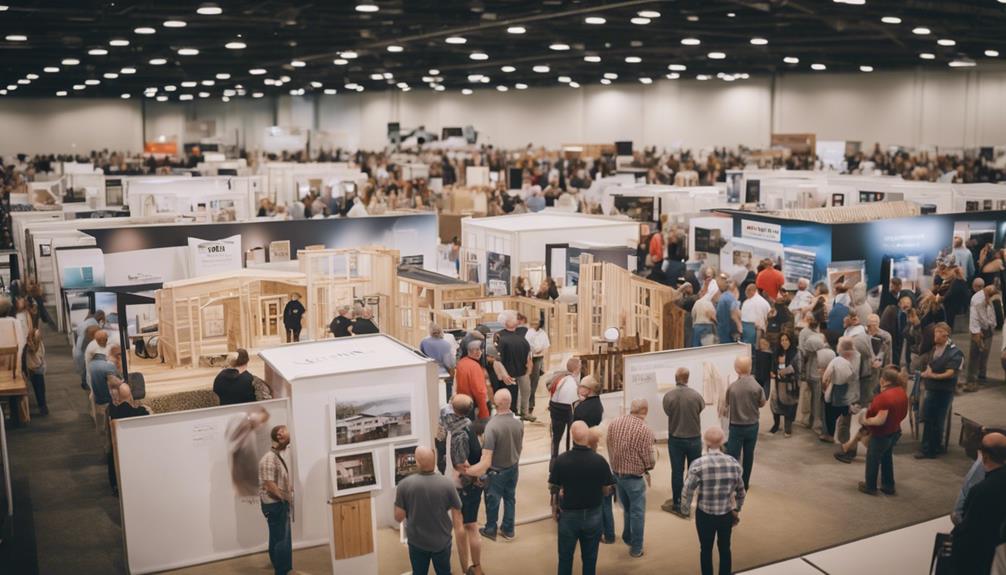
Have you ever considered the advantages of attending a Builders and Remodelers Show? As you walk through the bustling exhibit halls, you'll find yourself immersed in a hub of innovation where you can connect directly with top industry experts and peers who are eager to share their insights and experiences. You'll discover the latest trends that could revolutionize how you approach your next project. Whether it's the hands-on product demonstrations that pique your interest, or the exclusive seminars that could expand your professional knowledge, there's a wealth of resources waiting for you. Imagine the possibilities that could open up with just one visit. Why not explore what could lie ahead?

Networking Opportunities

Attending a builders and remodelers show opens up numerous networking opportunities for you. As you walk through the aisles, filled with booths and displays, you'll meet a variety of industry professionals. This isn't just about handing out your business card; it's about creating real connections. You'll chat with suppliers, contractors, and potential mentors who can offer insights and advice that are directly applicable to your projects and challenges.

You'll also find yourself in workshops and seminars, surrounded by peers who are eager to exchange ideas and experiences. These sessions are goldmines for collaborative opportunities. They allow you to engage in discussions, ask questions, and share your own knowledge, which can lead to partnerships and joint ventures.

Moreover, these shows are typically attended by a wide range of professionals from different geographical areas. This diversity offers you a broader perspective on how things are done outside your local market, which can inspire innovative approaches and solutions for your business back home.

Latest Industry Trends

Beyond networking, builders and remodelers shows are hotspots for discovering the latest industry trends that can revolutionize your approach to construction and design. You'll find insight into sustainability practices that are becoming increasingly crucial in today's market. From energy-efficient materials to innovative recycling methods, you'll see how green building is evolving and how you can integrate these practices to stay competitive.

You'll also encounter advancements in smart home technology. Shows like these provide a glimpse into the future of home automation, from systems that offer better energy management to those enhancing security and comfort. Understanding these technologies can set you apart in a tech-savvy market.

Moreover, the focus on wellness within spaces is gaining traction. This includes the use of non-toxic materials and designs that enhance mental and physical wellbeing. By staying updated through these shows, you'll be better equipped to meet the growing demand for health-focused living environments.

Keep an eye on modular and prefab construction as well. These methods aren't only cost-effective but also reduce construction time significantly. Learning about these can open up new avenues for your business, making your services more appealing to a broader audience.

Hands-On Product Demonstrations

Many builders and remodelers shows offer hands-on product demonstrations, allowing you to personally test out the latest tools and materials. You'll get a first-hand feel for the performance and ease of use that you just can't experience from online reviews or catalogs.

Whether it's the latest in high-tech power tools, innovative building materials, or cutting-edge technology for home automation, you can try them out for yourself, ask questions, and see the actual results.

These demos give you the unique opportunity to compare different products side by side. You can handle the tools, assess their weight, balance, and ergonomic features, and determine if they meet your specific needs. It's also the perfect chance to see live demonstrations of products in action, which can help you make more informed decisions about investments that could significantly impact your business.

Furthermore, interacting directly with the manufacturers provides you with insights that go beyond product capabilities. You can discuss customization options, warranty information, and after-sales support—details that could sway your decision-making process. This hands-on access empowers you to choose the best tools and materials for your projects, ensuring quality and efficiency in your future builds.

Educational Workshops and Seminars

While hands-on product demonstrations offer practical insights, educational workshops and seminars at builders and remodelers shows expand your knowledge base further. You'll find yourself immersed in sessions led by industry experts who delve into the latest trends, techniques, and regulations affecting the building and remodeling sectors. It's not just about observing; it's about engaging actively with content that can reshape the way you approach your projects.

Imagine sitting in on a seminar about sustainable building practices, where you learn how to incorporate eco-friendly materials and technologies into your work. Or consider a workshop where you master the newest software tools that streamline project management and budgeting. These educational experiences provide you with a competitive edge, keeping you updated and well-informed.

Additionally, the interactions don't end at the seminars. You'll get the chance to ask questions directly to speakers, gaining clarity and further insights. Networking opportunities abound as well, allowing you to connect with peers who can share their experiences and perhaps even offer solutions to challenges you're facing.

Exclusive Deals and Offers

At builders and remodelers shows, you can often find exclusive deals and offers that aren't available elsewhere. These events are prime opportunities for you to snag discounts on tools, materials, and services that may otherwise stretch your budget. Vendors tend to offer special show pricing or bundles designed to attract and engage attendees like you. This means you can save significantly on high-quality products, essential for both current and future projects.

Moreover, you'll find that some exhibitors offer financing options with better terms during these shows. This includes lower interest rates and more flexible payment plans, which aren't typically advertised outside these events. It's a perfect chance for you to invest in those big-ticket items you've been eyeing without overburdening your financials.

Don't forget to sign up for giveaways and sweepstakes often held at these shows. Winning a major prize, whether it's a state-of-the-art tool set or a package of top-grade materials, can reduce your project costs dramatically. So, make sure you're entered in all the relevant draws.

Inspiration for Future Projects

Visiting a builders and remodelers show can spark your creativity with countless innovative ideas and cutting-edge designs. As you wander through the vast displays, you'll encounter the latest trends in architecture, interior design, and landscaping. Each booth and demo offers a glimpse into the future of building and remodeling, inspiring you to think outside the box for your next project.

You'll see how new materials and technologies are transforming homes and commercial spaces. It's not just about the aesthetics; these shows highlight sustainable and efficient building techniques that could change how you approach your projects. Imagine integrating smart home technology seamlessly into a vintage renovation, or discovering a new type of eco-friendly insulation that could save you money and protect the environment.

Moreover, the chance to meet and converse with innovators, architects, and builders can provide you with unique insights and ideas that aren't readily available online or in magazines. They might share their experiences with recent projects or experimental materials, giving you a firsthand look at what's possible.

Conclusion

By attending a Builders and Remodelers Show, you'll unlock a wealth of opportunities. You'll network with industry leaders, stay abreast of cutting-edge trends, and get hands-on with the latest tools and techniques. The educational sessions will expand your expertise, while exclusive deals enhance your projects economically. Plus, the sheer inspiration you'll gather for future projects is invaluable. Don't miss out on this chance to elevate your building or remodeling business to the next level.

Related articles: What Should You Know Before Hiring Builders and Remodelers? · What Are the Key Responsibilities of a Builder? · How Can Builders Risk Insurance Protect Your Project?
How to Choose Between Builders and Renovators Near Me?

Posted on September 17, 2024October 1, 2026 By Liam Anderson
How to Choose Between Builders and Renovators Near Me?
Builder News

When you're facing the decision of choosing between builders and renovators near you, it's crucial to start by understanding the nature of your project. Are you looking to create something entirely new, or does your space simply need a refresh? This initial distinction significantly impacts your choice, as builders generally focus on new constructions, whereas renovators are experts in modification. But beyond the type of project, there are other factors such as cost, expertise, and timelines that you'll need to consider. How do you sift through these elements to find the right professional for your specific needs? This question is vital as it shapes the success of your project.

Assessing Your Project Needs

Understanding your project's scope is the first step in deciding whether to hire a builder or a renovator. You've got to clearly define what you're aiming to achieve. Are you looking to create something new, or are you more focused on enhancing what's already there? This distinction is vital.

If you're planning to add a room, renovate a kitchen, or perhaps extend your living space, then detailing these elements will help determine the right professional. Builders are typically your go-to for constructing new structures from the ground up. They handle projects that involve extensive architectural knowledge, dealing with raw lands, or building new frameworks.

On the other hand, if your goal is to update the existing structure, like revamping your bathroom tiles or upgrading your windows, a renovator is who you'd likely need. They specialize in transforming and enhancing spaces within their current confines.

Understanding Builder Qualifications

Now that you know whether a builder is right for your project, it's important to evaluate their qualifications. Start by checking if they're licensed. Most regions require builders to hold a valid license, ensuring they meet certain standards. Verify this through your local licensing board's website—it's a crucial step to avoid legal issues down the road.

Next, look at their experience. You'll want a builder who's a track record of handling projects similar to yours. Ask for a portfolio of past work and references. Don't just take their word for it; contact these references to hear firsthand about their experiences.

Insurance is another key factor. Ensure your builder has both liability and workers' compensation insurance. This protects you if something goes wrong during the construction process. You can ask to see certificates of insurance to confirm they're up to date.

Renovator Expertise Evaluation

Evaluating a renovator's expertise is just as critical as selecting the right builder. You'll want to ensure they've got the specific skills to tackle your project. Start by checking their credentials. Are they licensed and insured? This is non-negotiable as it protects you legally and financially.

Next, dive into their portfolio. You're looking for projects similar to yours in scale and style. Pay attention to before and after photos; they're a great indicator of the quality and impact of their work.

Don't just skim—ask for details about specific renovations and the challenges they faced.

References are your next step. Talking to past clients gives you insights you can't get from photos. Ask about timeliness, communication, and overall satisfaction. Were there surprises? How were they handled?

Also, consider their specialty. Some renovators excel in kitchens and bathrooms, while others might be experts in historical renovations. Make sure their strengths align with your needs.

Lastly, check how they stay current. The best professionals continue learning about new technologies and trends. If they're engaged in ongoing education and professional organizations, it's a good sign they're committed to their craft.

Comparing Costs and Budgets

When choosing between builders and renovators, it's crucial to compare their pricing and how it fits within your budget. You'll find a wide range of costs, depending on the complexity of your project and the expertise of the professionals. Start by requesting detailed quotes from several providers. These should break down the costs of materials, labor, and any additional fees. This transparency allows you to see where your money is going and helps prevent unexpected expenses.

Next, consider the value each builder or renovator brings. A lower quote might be tempting, but it's important to assess what's included.

Sometimes, a slightly higher cost can mean better quality materials or more experienced workers, which can save you money in the long run by reducing the need for future repairs or upgrades.

Evaluating Timeline and Availability

Consider the timelines and availability of builders and renovators as you plan your project. You've got a vision, and naturally, you're eager to see it come to life. However, the reality of scheduling can significantly affect your project's start and completion dates.

Firstly, ask for a clear timeline from potential builders or renovators. How soon can they start? Are there other projects ahead of yours? It's crucial because you don't want to select someone who's too booked to handle your project efficiently. Builders and renovators with a packed schedule might rush your work or, worse, push your project back.

Next, discuss how long the project will take. Make sure they can commit to a realistic timeframe and not just a date to appease you. Delays can be common in construction and renovations, but frequent updates and a well-defined schedule can mitigate misunderstandings.

Lastly, consider seasonal factors and their impact on your project timeline. Certain times of the year are busier for builders due to favorable weather conditions, which could mean longer waiting periods. Align your expectations and timelines by choosing professionals who demonstrate flexibility and transparency about their availability and project duration.

Reviewing Past Work Examples

After ensuring that your prospective builders or renovators can meet your project's timelines, it's equally important to review examples of their past work. Seeing what they've accomplished gives you insight into their craftsmanship, style, and attention to detail. You want to ensure their abilities align with the vision you have for your home.

Start by asking for a portfolio. Most reputable builders or renovators will be proud to showcase their past projects. Look for before and after photos, which can highlight the transformation and demonstrate the level of impact their work can have. You'll get a sense of whether they specialize in contemporary, traditional, or eclectic styles, and see firsthand how they handle space, materials, and light.

Don't stop at just looking at pictures; ask about the context of each project. Understanding the challenges they faced and the solutions they implemented can be critical.

Was there a tight budget? Did they need to work around structural limitations? Answers to these questions can reveal a lot about their problem-solving skills and adaptability.

Checking Client Testimonials

Reviewing client testimonials is your next crucial step in selecting the right builder or renovator for your project. These testimonials provide real-world insights into the quality of work and customer satisfaction that each professional has delivered in the past. It's like getting a sneak peek into their reputation without committing first.

Start by visiting their websites or social media pages where customers often leave feedback. Pay attention to both praise and complaints to gauge how consistently good their service is. Are there repeated mentions of the same issues or commendations? This pattern can tell you a lot.

Don't just skim the surface; dive deeper by asking for references you can contact directly. Most trustworthy professionals will be happy to provide contacts if they're confident in their work history.

When you chat with these references, ask specific questions about the projects' execution, adherence to budget and timelines, and how effectively they handled any challenges.

Considering Communication Styles

While evaluating builders and renovators, it's essential to consider how well they communicate. You're not just buying a service; you're entering a relationship that requires clear, consistent dialogue. Think about it: will they update you regularly? Can they explain technical terms in ways that you'll understand? These factors dramatically affect your satisfaction and the project's success.

Start by assessing their responsiveness during your initial inquiries. Did they return your calls promptly? Were their emails clear and detailed? This initial interaction is a reliable indicator of future communication patterns.

During meetings, notice if they're attentive and patient. You're likely not a construction expert, and you'll appreciate a professional who takes the time to ensure you understand the scope and nuances of the work.

Moreover, observe whether they ask questions about your preferences and concerns. This two-way communication is crucial for customizing your project to your satisfaction.

Analyzing Contract Flexibility

Contract flexibility can significantly impact your overall experience and project outcome when selecting a builder or renovator. You'll need to ensure the agreement you sign allows some leeway for changes you might want or need as the project progresses. Rigid contracts can lead to frustration and, potentially, additional costs if you decide to alter your plans mid-way.

When evaluating contract flexibility, consider how changes are handled. Are there clauses that outline the process for modifications? You'll want a contract that clearly states any fees associated with change orders and the timeline for approving these modifications. This clarity will help you avoid any surprises or disputes down the line.

Also, it's crucial to discuss with your builder or renovator how they handle unforeseen issues such as discovery of structural problems or changes in material availability.

A flexible contract should provide mechanisms for dealing with these situations without escalating costs uncontrollably.

Before you sign, have a lawyer review the contract. They can point out any potential pitfalls and ensure the contract allows for reasonable flexibility. Remember, it's not just about building or renovating; it's about doing so in a way that accommodates unforeseen changes without compromising your vision or budget.

Planning for Future Maintenance

After ensuring your contract allows for flexibility during the building or renovation process, it's equally important to plan for the maintenance that will be required once the project is completed. You'll want to consider the long-term upkeep of any new additions or alterations. This isn't just about fixing things when they break; it's about preventing issues before they arise.

Start by asking your builder or renovator about the durability of the materials they're using. Are they suited to your area's climate? Will they require regular treatments or replacements? It's also wise to discuss maintenance responsibilities. Sometimes, contractors offer service packages or warranties that cover certain repairs or regular maintenance for a set period.

Next, think about accessibility for future repairs. Ensure that areas like plumbing, wiring, and structural supports are easily accessible. Retrofitting these can be costly and intrusive if they're not considered beforehand.

Lastly, set aside a maintenance budget. Even the highest quality constructions will need upkeep. By planning financially for routine checks and minor repairs, you'll avoid larger expenditures down the line. Remember, maintaining your property is an ongoing commitment that keeps your space safe, functional, and looking its best.

Conclusion

In wrapping up, you've got to weigh your options carefully. Decide if you're starting fresh or upgrading what you've got. Check qualifications, compare costs, and don't overlook timelines. Listen to what other clients say and notice how well builders or renovators communicate. Make sure the contract gives you some wiggle room and think ahead about maintenance. Choosing between builders and renovators near you isn't just about today's project—it's about your peace of mind tomorrow.

Related articles: What Are the Benefits of Attending a Builders and Remodelers Show? · What Should You Know Before Hiring Builders and Remodelers? · What Are the Key Responsibilities of a Builder?

What Are the Top Trends in Building and Remodeling?

Posted on September 16, 2024October 1, 2026 By Liam Anderson
What Are the Top Trends in Building and Remodeling?
Builder News

As you consider modernizing your home, you're likely to encounter some of the leading trends in building and remodeling that are shaping spaces today. From integrating smart home technologies that simplify daily living to embracing sustainable materials that help reduce your carbon footprint, these trends are transforming homes into more efficient, comfortable, and environmentally friendly spaces. Open-plan layouts connected to outdoor living areas not only enhance the functionality of your home but also offer a seamless flow that's visually appealing. Curious about how these trends can specifically benefit your next project or influence your living spaces? Consider how they might reshape the way you think about home design.

Sustainable Materials and Practices

As the building industry evolves, sustainable materials and practices are becoming crucial to modern construction projects. You'll find that using materials like recycled steel, reclaimed wood, and low-emissivity (low-E) glass not only helps the environment but also reduces your long-term costs. Recycled steel, for instance, uses 75% less energy than its virgin counterparts. Reclaimed wood adds a unique aesthetic without further depleting forests.

Bamboo is another game changer. It's fast-growing, making it highly renewable, and it boasts the strength comparable to many traditional hardwoods. You're not just building a structure; you're investing in a sustainable future.

Moreover, consider the role of insulating concrete forms (ICFs) and structural insulated panels (SIPs). Both enhance building efficiency by dramatically reducing heating and cooling costs. ICFs, combining concrete with insulative foam, create robust yet energy-efficient walls.

SIPs, on the other hand, offer a similar benefit for roofs and floors.

You should also explore green roofs and rain gardens. These not only manage stormwater effectively but also improve air quality and provide natural insulation. By integrating these elements, you're not just constructing buildings; you're creating eco-friendly spaces that stand the test of time and climate.

Smart Home Technology Integration

Moving beyond traditional building materials, integrating smart home technology is becoming essential in modern homes. As you plan your next building or remodeling project, consider how smart technology can enhance not only the convenience but also the efficiency of your living space.

You'll find that smart thermostats, lighting systems, and security devices are just the beginning. These gadgets can be controlled from your smartphone or voice-activated devices, making it easier to manage your environment, even from afar. Imagine adjusting the temperature, dimming lights, or monitoring security cameras all with a few taps on your phone or simple voice commands.

Moreover, smart appliances aren't just about convenience; they're about saving energy too.

A smart refrigerator, for example, can track your food's expiry dates and suggest recipes based on what you have on hand, reducing waste significantly.

Similarly, a smart washing machine can optimize water and electricity use based on the load, which helps in cutting down utility bills.

Open-Plan Layouts and Spaces

Shifting focus to the architectural design of your home, open-plan layouts are revolutionizing how spaces are utilized, promoting a seamless flow between living, dining, and kitchen areas. This trend not only enhances the aesthetic appeal of your home but also boosts its functionality, making it perfect for entertaining or spending quality time with family.

You'll find that without the traditional barriers of walls, your home feels larger and more welcoming. The elimination of hallways and non-essential walls means that natural light can flood more freely throughout the space, reducing your need for artificial lighting and contributing to a healthier living environment.

However, adopting an open-plan layout isn't just about knocking down walls. It's about creating a cohesive design that aligns with your lifestyle. Consider the placement of furniture, the choice of flooring that extends across multiple areas, and a consistent color scheme to enhance the sense of continuity.

If you're concerned about noise or privacy, strategic placement of furniture, rugs, and decorative screens can help define different areas without sacrificing the openness that makes this layout appealing. Remember, the key to a successful open-plan space lies in balancing openness with subtle separations that cater to your specific needs.

Indoor-Outdoor Living Enhancements

Building on the theme of open-plan layouts, indoor-outdoor living enhancements further blur the lines between inside and outside, offering you a seamless integration with nature. You'll find that large, sliding glass doors and retractable walls are key to this design trend, inviting natural light to flood your home and making the transition to the outdoors almost imperceptible.

Imagine stepping easily from your kitchen to a sun-drenched patio where your garden acts as a natural backdrop to daily life. Here, the addition of outdoor kitchens and integrated entertainment systems encourage al fresco dining and socializing.

It's not just about aesthetics; it's about extending your living space to embrace the outdoors, whatever the season.

Furthermore, the use of durable, weather-resistant materials ensures that your indoor comfort can withstand the elements outdoors. Think composite decking, stainless steel fixtures, and furniture that can cope with both sun and rain.

This durability means you're investing in both style and substance, guaranteeing a lasting enjoyment of your home's expanded horizon.

Minimalist Design Elements

Minimalist design elements strip away the non-essential, focusing on simplicity and functionality in your home. This trend emphasizes clean lines, a monochromatic color palette, and a clutter-free environment that highlights the beauty of each piece. You'll find that less is definitely more as you embrace open spaces that are breathable and calming.

Your choice in materials plays a key role too. Opt for natural elements like wood, stone, and metal, which not only lend a timeless aesthetic but are durable as well.

The furniture in a minimalist setup is all about quality over quantity. Select pieces that are both practical and stylish, ensuring they serve a purpose without overwhelming the space.

Lighting is also critical. You'd want to maximize natural light to create an airy, open atmosphere. For artificial lighting, choose fixtures that are sleek and unobtrusive, enhancing the overall minimalistic feel.

Repurposing and Upcycling Techniques

As you streamline your home with minimalist design, consider integrating repurposing and upcycling techniques to further enhance its sustainability and uniqueness. These methods aren't just eco-friendly; they also inject a personal touch that can't be replicated with off-the-shelf products.

Repurposing involves transforming discarded materials or older items into something useful again, such as turning old doors into tabletops or using jars as light fixtures. Upcycling, on the other hand, takes this a step further by not only reusing but also enhancing these items, often creating a product of higher quality or value than the original.

You'll find that repurposing and upcycling offer a creative outlet that reflects your individuality. Imagine reworking a vintage suitcase into a charming coffee table or transforming a stack of old magazines into a colorful collage wall. Each project not only reduces waste but also gives your space a unique story and character.

Moreover, integrating these techniques can be a fun, rewarding hobby that saves you money. Start small—perhaps by turning an old ladder into a quirky bookshelf or making cushion covers from outdated clothes. The possibilities are endless, allowing you to craft a home that's truly one-of-a-kind.

Health-Focused Building Features

Many homeowners are now prioritizing health-focused features in their building and remodeling projects. You're likely aware of the increasing emphasis on creating spaces that not only look good but also enhance well-being. It's about more than just aesthetics; it's about your health.

Incorporating advanced ventilation systems has become a staple in modern homes. These aren't just any systems; they're designed to minimize allergens and pollutants that can sneak into your indoor environment. You'll breathe easier knowing that the air in your home cycles through high-quality filters that strip away potential irritants.

Natural light is another key element you're seeing more of. By expanding windows and adding skylights, you boost your home's light intake, which can significantly improve your mood and energy levels. This isn't just pleasant; it's scientifically shown to help regulate sleep and boost productivity.

Materials play a huge role too. Today, you'll find that non-toxic, low-emission materials are the norm in health-conscious building practices. These materials keep the air quality in your home safer and cleaner, reducing your exposure to harmful chemicals.

Think about it: every choice you make in your home remodel can contribute to healthier living. Isn't it worth considering how your home's design influences your health?

Conclusion

As you explore the latest in building and remodeling, consider integrating sustainable materials and smart technology to enhance both efficiency and comfort in your space. Embrace open-plan layouts and indoor-outdoor living to create a seamless flow and a minimalist design for a clean, modern look. Don't overlook the importance of repurposing materials and focusing on health-centric features to ensure your home is not only trendy but also a safe and uplifting environment for everyone.

Related articles: How to Choose Between Builders and Renovators Near Me? · What Are the Benefits of Attending a Builders and Remodelers Show? · What Should You Know Before Hiring Builders and Remodelers?

What Are the Legal Requirements for Builders Risk Insurance?

Posted on September 16, 2024October 1, 2026 By Liam Anderson
What Are the Legal Requirements for Builders Risk Insurance?
Builder News

When you're venturing into a new construction project, understanding the legal requirements for builders risk insurance is crucial. You might find that what's mandatory in one state isn't in another, ranging from basic theft and vandalism coverage to more complex protections against natural disasters. It's not just about complying with the law; it's also about safeguarding your investment from unforeseen events. But how do you navigate these waters without over-insuring or missing critical coverage? Let's explore the nuances that dictate these requirements and discover how you can ensure your project stays protected and compliant. What specific elements must you consider for your project's location?

Defining Builders Risk Insurance

Builders risk insurance, often simply called construction insurance, covers a building under construction against damage or loss. When you're overseeing a construction project, it's crucial to protect your financial investment from unforeseen events. This specific type of insurance provides peace of mind, safeguarding the structure from incidents like fire, extreme weather, theft, and vandalism.

The policy generally extends its coverage to materials, fixtures, and equipment being used in the construction or renovation of the building as long as they're on-site, in transit, or temporarily stored at other locations.

You'll find that these policies are customizable to fit the unique risks associated with your specific project. This flexibility allows you to add provisions for soft costs or expenses that aren't directly related to construction labor or materials, such as lost sales, rental income, or additional interest on loans due to unexpected delays.

It's essential to note that builders risk insurance typically only lasts for the duration of the construction project. Coverage starts at the policy's effective date and usually ends when the building is ready for use or occupancy. Make sure you're clear on the terms to ensure seamless coverage throughout your project timeline.

Who Needs Builders Risk Coverage?

If you're managing a construction or major renovation project, you likely need builders risk coverage to protect your investment. This type of insurance is crucial not just for the project owner, but also for contractors and developers. Essentially, if you're financially responsible for the construction materials, equipment, or the structure itself during the building process, this insurance is for you.

You might be wondering if small projects need the same coverage as large ones. The short answer is yes. Whether you're adding a room to your home or erecting a multi-story commercial building, the risk of unexpected events, like fire, theft, or natural disasters, doesn't discriminate based on the size of the project. Builders risk insurance acts as a safety net for all involved parties, covering losses that could potentially derail your construction goals.

Moreover, if you're involved in constructing residential properties, or if you're a real estate investor flipping houses, you shouldn't overlook this insurance. Each project carries unique risks and potential interruptions that could affect your timeline and budget. Builders risk coverage ensures you're not left out of pocket should unforeseen issues arise.

Key Coverage Requirements

Understanding who requires builders risk coverage naturally leads to the next important consideration: what exactly does this insurance need to cover?

You'll find that the primary coverage envelops construction materials, equipment, and any fixtures integral to the building process. It's crucial that your policy includes theft and vandalism, as these are common risks on construction sites.

Additionally, you should ensure that your insurance extends to cover damage caused by certain weather events—think wind, rain, or even a rare hailstorm, depending on your location. However, standard policies mightn't cover extreme conditions such as floods or earthquakes, so you'll need to consider additional coverage if you're in a susceptible area.

Don't overlook the inclusion of soft costs in your policy. These can cover project delays, whether due to damaged materials or other insured losses. This aspect is often overlooked but can save you a significant amount of money in the long run.

Lastly, it's wise to check that your coverage limits align with the total completed value of the project, including all materials and labor costs. This ensures that you're not underinsured, which can be a costly oversight should any significant claims arise.

State-Specific Insurance Mandates

While the general requirements for builders risk insurance are fairly consistent nationwide, certain states impose additional mandates that you must adhere to. It's crucial you understand these variations, as they can significantly impact your responsibilities and coverage.

For instance, in California, builders risk insurance policies must include coverage for natural disasters such as earthquakes and wildfires, given the state's higher propensity for such events. Failing to include these could leave you financially vulnerable.

In Florida, due to the frequent hurricanes, state law requires that your policy specifically covers wind damage. This isn't just a recommendation; it's a legal necessity.

Texas, on the other hand, has unique stipulations regarding the liability coverage within the builders risk policy. Here, you're required to have provisions that cover not just the construction materials and equipment, but also any liability for accidents that occur on site. This is broader than in many other states, where the focus might primarily be on the materials and structure itself.

Don't assume that what works in one state will work in another. Always check the specific insurance laws and requirements of the state where your project is located. This ensures you're fully compliant and adequately protected.

Duration of Coverage Necessities

Knowing the specific insurance mandates for each state ensures your compliance, but equally important is understanding how long your builders risk insurance should last. You'll need to tailor the duration of your coverage to match the scope and timeline of your construction project. Typically, builders risk insurance is designed to be flexible, covering you from the start of construction until the project is completed and ready for use or sale.

Here's what you need to consider: if your construction timeline extends, it's crucial to update your policy accordingly. Most builders risk policies are initially set for a standard term, often 6 to 12 months. However, if your project is delayed due to unexpected issues like weather or supply chain disruptions, you might need to extend your coverage. Don't overlook this step, as failing to extend your policy could leave you unprotected against potential risks.

Also, keep in mind that the coverage ends once the project reaches completion or occupancy. This is a critical point: the moment your building is considered complete or is occupied, your builders risk insurance generally ceases. Planning for this transition by setting up the necessary property or commercial insurance in advance ensures continuous protection.

Coverage Limits and Exclusions

You must also consider the coverage limits and exclusions of your builders risk insurance, as these define the extent of protection provided. Coverage limits set the maximum amount the insurer will pay in the event of a loss. Typically, this should align with the construction project's total completed value, including materials and labor, but not including the land value. It's vital you get this right; underestimating can leave you underinsured, whereas overestimating can waste your money.

Exclusions in builders risk policies are equally crucial. Common exclusions include damages due to earthquakes, employee theft, or acts of war. Additionally, most policies won't cover poor workmanship or defective materials. It's essential to read and understand these exclusions to avoid surprises when you file a claim.

Some insurers might offer coverage extensions for certain exclusions, such as soft costs or delay in completion, which can be beneficial depending on your project's specifics.

Documenting and Proving Loss

Documenting your loss accurately is crucial when making a claim on your builders risk insurance. You'll need comprehensive records to substantiate your claim and ensure that you receive the compensation you're entitled to.

Start by taking detailed photographs or videos of the damage as soon as it's safe to do so. These visuals should capture the extent of the damage clearly and from multiple angles.

You should also gather all relevant construction documents, including contracts, plans, and any change orders. These documents can help in determining the scope of the project affected by the loss.

Additionally, keep invoices and receipts related to the damaged materials or areas. These financial documents are essential as they provide a cost basis for your claim.

It's wise to maintain a log of all communication related to the construction and the incident. This should include emails and correspondence with contractors, suppliers, and insurance representatives.

Detailed notes from these interactions can be invaluable, especially if there are questions about the timeline or the nature of the damage.

Legal Disputes and Resolution

After you've documented your loss and submitted your claim, disputes can still arise over the coverage details or the claim's value. This is where understanding legal resolution mechanisms becomes crucial. You might find yourself navigating mediation, arbitration, or even litigation to resolve these disagreements.

Firstly, mediation could be an option where you and the insurer bring in a neutral third party to facilitate a resolution. It's less formal and generally less costly than going to court. However, the mediator's decision isn't binding, so it's not a guaranteed fix.

If mediation doesn't work, arbitration might be the next step. Unlike mediation, an arbitrator's decision is typically binding. Both parties present their case, and the arbitrator decides on the matter. It's faster than litigation and helps keep things more private.

Litigation should be your last resort due to its high costs and time-consuming nature. You'll need to prepare for a potentially lengthy process that involves presenting your case in court, possibly in front of a jury.

Throughout these processes, it's vital to keep detailed records and maintain communication with your legal counsel. They can guide you through the complexities of resolving disputes and help protect your interests.

Complying With Federal Regulations

Navigating federal regulations is crucial when purchasing builders risk insurance. You'll need to ensure your policy meets all federal standards, which can vary based on the project's nature and location.

Firstly, you're required to comply with the National Flood Insurance Program (NFIP) if your construction site is in a flood-prone area. This means purchasing additional flood coverage is mandatory to safeguard your investment against water damage.

Additionally, you must consider the Environmental Protection Agency (EPA) regulations. If your construction involves substances that could impact the environment, you'll need specific endorsements to cover potential fines or cleanup costs. It's essential to consult with an insurance expert who understands these nuances and can guide you through selecting the appropriate coverage.

Lastly, don't overlook the importance of compliance with the Americans with Disabilities Act (ADA) during construction. This isn't just about moral responsibility or avoiding discrimination; non-compliance can lead to significant legal penalties, which your builder's risk insurance mightn't cover.

Staying informed and proactive in meeting these federal requirements won't only keep you compliant but also protect your project from unforeseen financial strains. Always work closely with your insurer to ensure that your policy aligns with these regulations.

Conclusion

As you navigate the complexities of builders risk insurance, it's crucial to stay compliant with both state and federal regulations. Ensure you're covered for state-mandated risks and understand the specifics of federal laws like the NFIP and ADA. Always consult with an insurance expert to tailor your coverage precisely. By doing so, you'll safeguard your project from unforeseen losses and legal headaches, ensuring that your construction venture is both protected and compliant.

Related articles: What Are the Top Trends in Building and Remodeling? · How to Choose Between Builders and Renovators Near Me? · What Are the Benefits of Attending a Builders and Remodelers Show?

What Should You Look for in Builders and Remodelers Reviews?

Posted on September 15, 2024October 1, 2026 By Liam Anderson
What Should You Look for in Builders and Remodelers Reviews?
Builder News

When you're sifting through builders and remodelers reviews, it's essential to scrutinize the authenticity and detail of each testimonial. You want to ensure that the feedback isn't just a series of vague praises. Look for reviews that discuss specific aspects of their experience, such as adherence to timelines, quality of materials, and the builder's communication skills. It's also wise to observe how the company handles negative comments. Do they respond professionally and offer solutions? Understanding these elements can reveal a lot about a builder's reliability and dedication to quality. But there's another crucial aspect you might not have considered yet.

Analyzing Review Authenticity

In today's digital age, discerning the authenticity of online reviews is crucial, especially when choosing builders and remodelers. You'll need to develop a keen eye for detail to spot reviews that might be misleading or downright fake. To start, look for reviews that provide specific information about the project, including timelines, materials used, and the builder's communication style. Genuine reviews often contain a balanced mix of pros and cons, reflecting the real experiences of the reviewer.

You should also check the reviewer's profile. If it's new or lacks a history of other reviews, take their feedback with a grain of salt. It's not uncommon for businesses to create fake accounts to post positive reviews about themselves or negative ones about competitors.

Furthermore, be wary of repetitive language across multiple reviews, as this can be a sign of scripted or paid remarks.

Frequency of Positive Feedback

Reviewing the frequency of positive feedback can offer valuable insights into a builder's reliability and customer satisfaction. When you're scouring through reviews, keep an eye on how often past clients praise the builder or remodeler. A high frequency of positive feedback is a strong indicator that they consistently meet or exceed customer expectations.

You'll want to notice not just the volume but also the consistency of positive reviews over time. If a builder has maintained high praise across several years, that's a reliable sign they offer quality service and stable performance.

However, if positive reviews are clustered within a short period or suddenly spike, you might need to dig deeper. This could either indicate a genuine improvement in their service or, less ideally, manipulation of reviews.

Detail Level in Testimonials

When you examine builders' testimonials, pay close attention to the level of detail provided. Specific details can tell you a lot about the quality and reliability of the builder or remodeler. You'll want to look for reviews that go beyond simple statements like "they did a great job" or "we're happy with the results." Instead, focus on testimonials that describe the process, the communication style, the materials used, and the adherence to timelines and budgets.

Detailed reviews might mention how the builder handled unexpected challenges or adapted to changes in project scope. They should give you insight into the professionalism and problem-solving abilities of the company. Look for mentions of the team's punctuality, cleanliness, and interaction with clients throughout the project. These specifics can help you gauge the level of customer service and craftsmanship.

Consistency Across Reviews

After examining the detail level in testimonials, another key aspect to consider is the consistency across reviews. You'll want to see if there's a common thread in what past clients are saying about a builder or remodeler. Are most customers mentioning the same strengths or weaknesses? This can give you a clearer picture of what you might expect.

Look for patterns in the feedback. If several reviews mention that projects were completed on time and within budget, you can be more confident in the builder's project management skills.

Conversely, if multiple reviews criticize the quality of workmanship, it's a red flag.

Also, pay attention to the dates of the reviews. A builder who's consistent positive feedback over many years is likely a safer bet than one whose reviews have only recently improved. This could indicate a change in management or policies that mightn't be as stable as you'd like.

It's crucial that you don't just count the stars but read through the narratives. Consistent mention of professionalism, craftsmanship, and adherence to deadlines across various reviews is a good indicator of reliability and quality. This can help you make a more informed decision when selecting a builder or remodeler.

Attention to Customer Service

One often overlooked yet critical aspect of choosing the right builder or remodeler is their attention to customer service. You'll find that the best professionals don't just deliver quality craftsmanship; they also prioritize your satisfaction throughout the entire project. This means they're responsive to your calls, emails, and concerns, ensuring you're informed and comfortable every step of the way.

When you're sifting through reviews, pay close attention to mentions of the builder's communication skills. Were past clients happy with how they were treated? Did the builder listen to their needs and make them feel valued? Excellent customer service often translates into a willingness to go above and beyond, maintaining a clear and open line of communication.

Also, consider how the company handles your initial inquiries. If they're prompt and detailed in their responses before you've even signed a contract, that's a promising sign. It shows they value your potential business and are likely to maintain that level of service throughout the construction or remodeling process.

Evidence of Problem Solving

In your search for the right builder or remodeler, it's crucial to look for clear evidence of problem-solving skills. This trait is a cornerstone of any successful construction project, as unexpected issues are bound to arise.

When you're reading through reviews, pay close attention to stories where the builder faced challenges. How did they handle unexpected structural complications or material shortages? Were they creative and effective in finding solutions?

Reviews that highlight a builder's ability to adapt and resolve issues can be a goldmine of information. You'll want to see that they not only addressed the problem but also communicated the issue and their planned resolution clearly to the client. It's important that they maintain transparency throughout the process, keeping you in the loop.

Look for phrases like "proactive," "resourceful," and "quick to resolve issues" in reviews. These are indicators of a problem-solver who won't just stick to the initial plan but will think on their feet.

Timeliness and Project Management

While problem-solving skills ensure a builder can handle unexpected issues, effective time management is equally vital for keeping your project on schedule. As you sift through reviews, pay close attention to comments about a builder's punctuality and their ability to meet deadlines. Are there multiple mentions of delays, or do reviewers consistently praise the builder for completing work on time? This insight can be a game-changer.

You should also look at how builders manage the overall project timeline. Good project management means they plan effectively, anticipate potential delays, and communicate proactively with you about any changes. If reviewers highlight that the builder kept them informed and managed to adapt quickly to unforeseen circumstances without significant time losses, you're likely looking at a professional who values efficiency and client satisfaction.

Moreover, notice if past clients mention how the builder handles the coordination of tasks and subcontractors. Mismanagement here can lead to frustrating delays and sloppy execution.

A builder with strong organizational skills ensures that every phase of the project flows smoothly, preventing unnecessary stress and potential cost overruns.

Quality of Materials and Craftsmanship

Your builder's choice of materials and level of craftsmanship will significantly affect the final quality and durability of your remodeling or building project. It's crucial you delve into reviews focusing on these aspects. Look for feedback that specifies whether the materials used were up to industry standards and if they met the expectations outlined at the start. Were premium, durable materials used, or did the builder opt for cheaper alternatives? This can give you insight into how your project might withstand the test of time.

Additionally, craftsmanship speaks volumes about a builder's skill and attention to detail. Read through comments and testimonials carefully to see if previous clients mention the finish and aesthetics of their projects. Were they satisfied with the intricacies of the work? Did the builder exhibit a high level of skill throughout the project? Negative comments about things like misalignments, poor fittings, or finishings that deteriorate quickly can be red flags.

Handling of Negative Reviews

How does your builder respond to negative reviews? This response can be a crucial indicator of their professionalism and commitment to customer satisfaction. When you're scouring through feedback, pay close attention to how builders handle criticism. A reputable builder won't shy away from addressing these comments publicly. They'll often provide a thoughtful reply that acknowledges the issue, explains any misunderstandings, and offers a solution or compensation if necessary. This open approach not only resolves individual concerns but also demonstrates their dedication to quality service.

You should be wary of builders who ignore or delete negative reviews. This behavior suggests they aren't transparent or concerned with improving their services. Similarly, responses that are defensive or dismissive can be a red flag. They indicate a lack of customer care and an inability to accept constructive feedback, which are essential traits for any good builder.

Lastly, look for patterns in the negative reviews. If multiple clients mention the same issues, such as delays or poor workmanship, it's likely a systemic problem rather than isolated incidents. How the builder addresses these recurring complaints in their responses will tell you a lot about their reliability and willingness to make necessary improvements.

Conclusion

When you're scrolling through reviews, focus on the authenticity and level of detail. Are past clients mentioning specific aspects like timeliness or craftsmanship? Consistency in positive feedback and thoughtful handling of any negative comments are key indicators of reliability. Ensure they value customer service and show evidence of problem-solving. Remember, a trustworthy builder's reputation will shine through genuine, balanced reviews. This careful approach will help you choose a remodeler who truly meets your needs.

Related articles: What Are the Legal Requirements for Builders Risk Insurance? · What Are the Top Trends in Building and Remodeling? · How to Choose Between Builders and Renovators Near Me?

What Are the Benefits of Joining a Builders and Remodelers Association?

Posted on September 15, 2024October 1, 2026 By Liam Anderson
What Are the Benefits of Joining a Builders and Remodelers Association?
Builder News

Have you ever considered how joining a Builders and Remodelers Association could elevate your career? As a member, you're not just gaining a badge; you're unlocking a plethora of resources tailored to help you thrive in a competitive market. From networking with seasoned professionals to accessing cutting-edge educational tools, the advantages are substantial. Moreover, the legislative support could safeguard your business against unforeseen regulatory changes. Now, you might wonder how these benefits translate into real-world success and whether the investment truly pays off. Let's explore how this could be a game-changer for your business.

Enhanced Networking Opportunities

Joining a Builders and Remodelers Association offers unparalleled networking opportunities that can significantly boost your business. By becoming a member, you'll immerse yourself in a community of industry professionals who are eager to connect, share resources, and collaborate.

You'll meet not just peers but also potential mentors who possess a wealth of experience and insight. These relationships can prove invaluable as you navigate the complexities of the construction industry.

You'll also get the chance to attend member-exclusive events, such as trade shows, conferences, and local meet-ups, where you can showcase your services and discover the latest industry trends. These gatherings are perfect for strengthening your brand presence and getting your business card into the right hands.

You might even find opportunities to collaborate on projects or form partnerships that could lead to lucrative deals.

Moreover, your association membership can enhance your reputation. Being part of a respected organization lends credibility and shows potential clients and partners that you're serious about your profession. It's a mark of trust and professionalism that can set you apart in a competitive market.

Access to Continuing Education

Beyond networking, membership in a Builders and Remodelers Association also grants you access to ongoing education opportunities that are crucial for staying current in the ever-evolving construction field. These educational programs are designed to keep you updated on new regulations, construction methods, and business practices. You'll find yourself equipped with the knowledge to tackle modern challenges in building and remodeling.

The courses offered often cover a broad range of topics, including project management, sustainability practices, and safety standards. These sessions aren't just lectures; they're interactive, involving case studies and real-world problem-solving exercises that cater specifically to your day-to-day work. This makes the learning process not only more engaging but also directly applicable to your projects.

Moreover, many of these programs provide continuing education units (CEUs) which help you maintain your professional licenses and certifications. This is essential, as many states require a certain number of CEUs for license renewal. By staying actively involved in your association's educational offerings, you're not just learning; you're also ensuring your credentials remain valid and competitive.

Exposure to Latest Technologies

As you keep your skills sharp with continuing education, another significant advantage of being part of a Builders and Remodelers Association is the exposure to the latest technologies in the industry. You'll find yourself at the forefront of cutting-edge tools and software that can revolutionize the way you work. From advanced building materials to innovative construction methods, these technologies not only boost efficiency but also enhance safety and sustainability on your projects.

Imagine getting hands-on demonstrations of the newest 3D printing capabilities or virtual reality simulations that allow you to envision a finished project before the first stone is laid. Associations often host tech expos or partner with technology companies to provide workshops and seminars specifically tailored to your needs.

Moreover, networking with peers and tech experts during association meetings can lead to insightful exchanges. You'll hear firsthand about the software and tools that are changing the game, which ones are worth investing in, and how they can be integrated into your current workflows.

This continuous flow of information ensures you're always equipped with the best resources to stay competitive and innovative in a fast-evolving industry.

Legislative and Regulatory Support

Navigating the complex landscape of building codes and regulations becomes significantly easier with the support of a Builders and Remodelers Association. When you're part of such an association, you gain access to resources and expertise that help clarify these often murky waters. The association keeps you updated on the latest changes in local, state, and federal regulations, ensuring you're always compliant and ahead of the curve.

Associations typically have dedicated staff or committees focused on government affairs. These experts monitor legislative developments that could impact your business, providing you with summaries and guidance on how to adapt. You don't have to comb through dense legal documents; they do the heavy lifting for you.

Moreover, your association acts as a powerful advocate on behalf of your industry. It represents your interests in legislative and regulatory matters, ensuring that the voices of builders and remodelers are heard when policies that affect your business are crafted. This collective representation can lead to more favorable outcomes than if you were to tackle these issues alone.

Marketing and Visibility Boost

Joining a Builders and Remodelers Association dramatically enhances your company's marketing exposure and public visibility. You're not just gaining a membership; you're tapping into a powerful network that puts your brand in the spotlight. Imagine having access to a wide array of promotional activities, from awards and recognition events to being featured in industry publications. These platforms provide valuable opportunities to showcase your expertise and achievements, setting you apart in a competitive market.

Furthermore, your involvement in an association gives you access to exclusive networking events. Here, you can connect with potential clients and other industry professionals who can help propel your business forward. It's not just about who you know; it's about who knows you. As you participate more actively, your business gains a reputation as a committed and knowledgeable player in the industry.

Associations often have robust online directories and member profiles, which are frequently visited by consumers looking for reputable service providers. By being listed, you enhance your online presence and improve your chances of being contacted by prospective customers. Coupled with the use of association logos and branding, which enhance credibility, your marketing efforts can achieve much greater impact without straining your budget.

Discounts on Services and Products

You'll also benefit from significant discounts on services and products when you join a Builders and Remodelers Association. These discounts aren't just small perks; they can be substantial savings that directly impact your bottom line. Whether you're buying building materials, tools, or office supplies, the cost reductions can make a notable difference. These associations often have partnerships with suppliers and manufacturers who offer exclusive deals to members that aren't available to the general public.

Imagine saving a percentage on lumber, roofing materials, or high-quality fixtures for your next project. Or, consider the lower rates you could secure for software subscriptions critical to your business operations, like CAD programs or project management tools. The association typically negotiates these deals on behalf of its members, leveraging the collective buying power to ensure you get the best prices possible.

Additionally, some associations provide discounts on services such as legal advice, accounting, or marketing. This can be incredibly valuable, especially for smaller firms or independent contractors looking to minimize overhead costs while still accessing essential services. By taking full advantage of these discounts, you're not only saving money but also enhancing the operational efficiency of your business.

Awards and Recognition Programs

While saving on costs through discounts enhances your business, participating in awards and recognition programs offered by a Builders and Remodelers Association can significantly boost your industry standing. These programs not only spotlight your company's commitment to quality and innovation but also elevate your profile among peers and potential clients. Imagine the impact of showcasing an industry-recognized award in your office or including it in your marketing materials. It's a powerful tool that sets you apart from the competition.

You'll find that these awards can serve as a benchmark for your work. They push you to adhere to best practices and strive for excellence in every project you undertake. Additionally, the feedback you receive from judges can guide your future projects, enhancing your skills and the services you offer.

Being recognized by a respected association also builds credibility with clients. It reassures them that they're dealing with one of the best in the business. Plus, the networking opportunities at award ceremonies provide you with the chance to meet influential figures in the industry, which can lead to new ventures or collaborations.

Safety and Compliance Resources

Beyond enhancing your business through awards, accessing safety and compliance resources as a member of a Builders and Remodelers Association can safeguard your operations. These associations provide up-to-date information and tools that help you adhere to the latest safety regulations and industry standards, essential in minimizing workplace accidents and legal issues.

You'll have access to a range of workshops and seminars focused on safety training and regulatory compliance. These sessions are usually led by experts in the field who bring a wealth of knowledge and practical advice. They'll guide you through the complexities of compliance, from understanding OSHA regulations to adopting the latest safety technologies.

Moreover, your membership often includes access to specialized publications and online resources that detail critical safety updates and compliance guidelines. These resources are invaluable for staying ahead of potential risks and ensuring your team's safety.

Additionally, many associations offer helplines and support from experienced professionals. You can reach out with specific questions or scenarios you're unsure about. This direct access to expert advice can be a game-changer, especially when you're facing urgent compliance or safety challenges.

Conclusion

By joining a Builders and Remodelers Association, you'll unlock a host of benefits. You'll expand your network, stay ahead with continuing education, and gain insights into the latest technologies. Enjoy legislative backing and a significant boost in marketing and visibility. Plus, you'll access exclusive discounts, prestigious awards, and essential safety resources. Don't miss out on elevating your professional standing and paving the way for future success in the industry. Join today and start reaping the rewards!

Related articles: What Should You Look for in Builders and Remodelers Reviews? · What Are the Legal Requirements for Builders Risk Insurance? · What Are the Top Trends in Building and Remodeling?

How Can I Verify If a Builder Is Licensed?

Posted on September 14, 2024October 1, 2026 By Liam Anderson
How Can I Verify If a Builder Is Licensed?
Builder News

When you're planning a home renovation or new construction, ensuring your builder is licensed is crucial for both legal compliance and peace of mind. You'd start by checking with your state's licensing board, but what if they're unresponsive or the information isn't up to date? Online databases are useful, yet they vary greatly in accuracy and detail. So, how can you confidently verify your builder's credentials beyond these initial steps? There are several less obvious strategies you might not have considered, each offering additional insights into the builder's legitimacy and professionalism. Curious? Let's explore these methods together.

Understand Licensing Requirements

Before hiring a builder, it's crucial to understand the licensing requirements in your area. Different regions have varied regulations that builders must adhere to, so you'll want to make sure the one you're considering complies with these standards. Licensing isn't just about legality; it ensures that the contractor has met certain qualifications and standards of professionalism and safety.

You should start by familiarizing yourself with the general contracting laws specific to your location. These laws often outline the types of projects that require a licensed builder and the qualifications a builder must have to obtain a license. Knowing these can help you gauge whether your project needs a licensed professional and what to look for in a candidate.

It's also wise to learn about the penalties for hiring unlicensed builders. In some areas, this could mean fines or legal action against you if the work doesn't meet local codes. This knowledge arms you with the necessary information to ask the right questions and make informed decisions.

You're not just hiring someone to handle a job; you're ensuring that the construction meets all legal and safety requirements, protecting your investment and well-being.

Check State Licensing Board

Why not start your builder verification process by checking with your state's licensing board? Each state has its own board that regulates the licensing of builders and contractors, ensuring they meet specific standards of professionalism and competence. This step is crucial because it helps confirm that the builder you're considering is legally authorized to work in your state.

First, you'll need to find the contact information for your state's licensing board. This can typically be found with a simple web search. Once you have the contact details, give them a call or visit their office. You're looking for up-to-date information on the builder's license status, including any disciplinary actions or complaints on record.

It's also a smart move to ask about what specific licenses and certifications are required in your state for the type of work you need. Not all builders are licensed for all types of construction activities, so verifying that your builder's qualifications match your project needs is key.

Taking these steps ensures you're not just trusting someone's word. You're actively confirming their professional standing, which can save you a lot of trouble down the line.

Verify License Online

After checking with your state's licensing board, another effective way to verify a builder's license is by utilizing online resources. Most states offer a dedicated online portal where you can easily check a builder's licensure status. Simply enter the builder's name or license number into the search field, and the system will display relevant details, such as the issue and expiration dates of the license, any special endorsements, and if there are any disciplinary actions on record.

You can usually find these portals through your state's official government website or by searching for "[State] contractor license lookup." It's a quick way to ensure the builder you're considering is currently authorized to work in your state and adheres to local regulations.

Request License Information

If you're unable to verify a builder's license online, another reliable method is to request license information directly from the builder. Don't hesitate to ask them for their licensing details during your initial discussions. It's a standard practice in the industry, so a reputable builder won't mind sharing this information.

When you ask, specify that you need their license number and the name under which it's registered. This detail is crucial because you'll want to ensure that the license isn't only valid but also belongs to the individual or company you're dealing with. A genuine builder should be able to provide this information promptly.

If the builder hesitates or fails to provide the information, consider it a red flag. Professional builders understand that part of earning a client's trust involves transparency regarding their qualifications and legal compliances.

Assess Insurance and Bonding

Once you've confirmed that the builder is properly licensed, the next step is to ensure they're adequately insured and bonded. This is crucial as it protects you from potential liabilities and ensures that the builder can cover the cost of any unforeseen damages or issues.

First, ask the builder for proof of insurance. This should include both liability insurance and workers' compensation insurance. Liability insurance covers damages that could occur to your property during construction, while workers' compensation provides coverage if a worker is injured on your job site. Make sure the coverage amounts are sufficient to handle substantial claims.

Next, check if the builder is bonded. A bond is an additional layer of protection that functions like an insurance policy. If the builder fails to complete the project or meets contractual obligations, the bond can provide compensation to you. Confirm that the bond is current and covers the full scope of your project.

Lastly, don't hesitate to verify these details directly with the insurance and bonding companies. A quick call can confirm the validity of the policies and the builder's claims, giving you peace of mind before you move forward.

Look for Warning Signs

Many warning signs can alert you to potential problems when selecting a builder. If a builder hesitates to share licensing information or references, that's a red flag. Legitimate professionals should be transparent and eager to demonstrate their credibility.

You also need to be wary of exceptionally low bids. While everyone loves a deal, prices significantly below the market can indicate poor quality materials or substandard work.

Watch out for high-pressure sales tactics, such as urging you to sign a contract quickly to lock in a low price. Reputable builders give you time to consider your options and don't pressure you to make a hasty decision.

Additionally, inconsistent communication can be a sign of disorganization or a lack of professionalism. A builder who's hard to get a hold of or who rarely updates you on project status mightn't be reliable.

Read Online Reviews

After spotting potential red flags, it's essential to check online reviews for further insight into a builder's reputation. Begin by visiting popular review platforms such as Yelp, Google Reviews, and Better Business Bureau. Here, you'll find testimonials and ratings from previous clients which can provide invaluable feedback about the builder's reliability, quality of work, and customer service.

Don't just skim the top reviews. Dig deeper into both the positive and negative feedback to get a well-rounded view. Look for patterns that could indicate issues like missed deadlines, disputes over costs, or quality concerns.

It's also worth noting how the builder responds to complaints. Are they professional and solution-oriented? This can tell you a lot about their customer service approach and integrity.

Additionally, consider the context of the reviews. A builder might've high ratings, but if the positive reviews are sparse and dated, it mightn't be as reassuring as a consistently praised builder with recent feedback.

And remember, while reviews are helpful, they're only one piece of the puzzle in assessing a builder's credibility and professionalism.

Consult Industry Associations

Consulting industry associations can provide crucial information about a builder's credentials and standing in the field. These organizations often maintain comprehensive databases of licensed professionals, including builders, and can verify whether a builder is up to date on the latest industry standards and regulations.

As you navigate through your selection process, don't hesitate to reach out directly to these associations. They're there to help you ensure that you're dealing with a reputable professional.

Associations like the National Association of Home Builders (NAHB) or the Associated General Contractors (AGC) offer resources and tools to check the licensing status of builders and contractors in your area.

You can also look for specialized associations relevant to your project. For example, if you're building a green home, consider consulting organizations like the U.S. Green Building Council (USGBC), which can provide insights into builders who are certified to implement sustainable building practices.

Contact Local Building Inspector

Reaching out to your local building inspector is another crucial step in verifying a builder's license. These inspectors are well-acquainted with the builders who operate in your area and can provide firsthand verification of licensing status. You'll find that local government offices typically maintain updated records of licensed contractors, making them a reliable source for this information.

When you contact the building inspector, be ready with the builder's name and any company information you have. This will help them locate the records more efficiently.

Don't hesitate to ask specific questions about the builder's licensing status and any disciplinary actions or complaints filed against them.

It's also a good idea to inquire about the validity of the license and whether it's up to date.

Follow Up on References

Checking references is a key step in verifying a builder's credibility and quality of work. When you're in the process of selecting a builder, you'll want to ask for a list of past clients. Don't just collect these names; actively reach out to them. Ask detailed questions about their experience with the builder. Were they satisfied with the work completed? Did the builder stay on schedule and within budget? How did the builder handle setbacks or challenges?

It's also wise to inquire about the builder's communication style and reliability. Did they respond promptly to concerns? Was the client kept informed throughout the construction process? These insights can give you a clearer picture of what to expect if you decide to work with this builder.

Don't overlook the importance of seeing the builder's work firsthand. If possible, visit one of the finished projects. This allows you to assess the quality of construction and the attention to detail. It's one thing to hear about a builder's work and another to see it for yourself. This step can solidify your decision or steer you towards continuing your search for a builder.

Conclusion

You've got the tools to ensure your builder is legitimate. Always double-check their license with your state licensing board online or in person. Don't hesitate to ask directly for their license information—it's your right. Make sure they're also insured and bonded, look up reviews, and consult with industry associations for extra assurance. A quick chat with your local building inspector can reveal a lot. Remember, verifying a builder's credentials is crucial for your project's success and your peace of mind.

Related articles: What Are the Benefits of Joining a Builders and Remodelers Association? · What Should You Look for in Builders and Remodelers Reviews? · What Are the Legal Requirements for Builders Risk Insurance?

What Is the Difference Between a Builder and a Remodeler?

Posted on September 14, 2024October 1, 2026 By Liam Anderson
What Is the Difference Between a Builder and a Remodeler?
Builder News

When you're planning a construction project, it's crucial to know whether you'll need a builder or a remodeler. A builder constructs new buildings from scratch, taking charge of every detail from the foundation to the roof. In contrast, a remodeler works within the confines of existing structures, transforming spaces to meet modern needs or personal preferences. This distinction affects not only the approach and expertise required but also the project's overall timeline and budget. If you're curious about how these professionals tackle challenges and costs differently, consider the implications for your next project. What might this mean for the outcome you're envisioning?

Defining a Builder

While both builders and remodelers play crucial roles in the construction industry, a builder specifically focuses on constructing new buildings from the ground up. As you delve into your project, you'll see that a builder's work begins with a bare plot and a set of plans. They're responsible for laying the foundation, erecting the structure, and ensuring that the building meets all local codes and regulations. You'll find them coordinating with architects, engineers, and subcontractors to bring a vision to life, often handling everything from plumbing and electrical systems to the final touches of paint.

Builders are also instrumental in navigating the bureaucratic aspects of construction. They manage permits, inspections, and approvals required by governmental bodies. This ensures that your structure isn't just sturdy but also legally compliant. Moreover, they've to stay updated with the latest building technologies and materials to provide the most efficient and sustainable solutions.

When you're planning to create a new space entirely, you'll need a builder's expertise. They're the ones who transform blueprints into tangible, functional buildings. Choosing the right builder means ensuring they've a strong track record and the capability to handle the scale of your project.

Understanding a Remodeler

Many homeowners find that a remodeler is essential when looking to update or alter their existing space. You might be considering a remodel to modernize your kitchen, expand your living room, or perhaps add a new bathroom. Whatever the project, a remodeler specializes in transforming your current home into the space you desire, working within the confines of your existing structure.

Unlike builders who typically focus on new construction, remodelers must navigate the challenges of existing buildings. They'll assess the structural integrity, electrical configurations, plumbing setups, and even the aesthetic elements of your home before suggesting feasible changes.

You'll find that they're adept at identifying which walls can be removed or how new features can be integrated.

Moreover, remodelers bring a unique skill set that includes custom solutions tailored to your specific needs. They're problem solvers who adapt plans to meet the limitations and possibilities of your home.

When you work with a remodeler, you're not just getting a contractor; you're partnering with someone who understands the art of possibility within the framework of what already exists. They ensure that the final outcome respects the home's original character while incorporating your personal touch.

Key Responsibilities of Builders

Builders play a fundamental role in the construction industry, focusing primarily on creating new structures from the ground up. As a builder, you're responsible for the entire construction process, ensuring that the final product is both functional and aesthetically pleasing.

You'll start by interpreting architectural drawings and planning the project timeline. It's your job to secure all necessary permits before breaking ground, which requires a deep understanding of local building codes and regulations.

You also manage a diverse team, including carpenters, electricians, and plumbers, coordinating their efforts to keep the project on track. Quality control is crucial; you'll frequently inspect the construction site to ensure that all work meets the specified standards and that materials are used efficiently.

Safety management is another critical aspect of your role. You're responsible for implementing and enforcing strict safety protocols to protect your workers from job-related injuries.

Financial oversight falls under your purview as well. You must budget accurately, manage costs, and ensure the project stays financially viable. Negotiating contracts with vendors and subcontractors is key to keeping your expenses in check while maintaining high standards of quality.

Primary Tasks of Remodelers

Remodelers, unlike builders, specialize in modifying existing structures, enhancing both functionality and aesthetics. When you hire a remodeler, you're not just updating; you're transforming your space to better meet your needs. Their primary tasks involve extensive planning and precise execution, ensuring that every change reflects your vision and requirements.

Firstly, remodelers assess the existing structure to understand its strengths and limitations. They'll figure out the feasibility of your ideas within the constraints of your current home.

You'll find them meticulously planning the project, focusing on integrating new elements with the existing infrastructure. This includes reconfiguring layouts, upgrading systems, and ensuring that all modifications are up to code.

Moreover, remodelers handle the selection and installation of materials. They'll guide you through choosing finishes that match your desired style while offering durability and cost-effectiveness.

Whether it's installing new cabinetry in the kitchen, updating bathroom fixtures, or replacing flooring, their expertise ensures that each component is perfectly aligned with the overall design.

Lastly, effective communication throughout the process is crucial. They'll keep you informed and involved at every step, from initial design to final walkthrough, making sure that the end result is exactly what you envisioned.

Choosing Between Builder and Remodeler

Understanding the specific roles and expertise of builders and remodelers can significantly influence your decision when planning a new construction or renovation project. Builders are your go-to if you're starting from scratch. They handle the construction of new structures, ensuring that everything from the foundation to the framing aligns with local building codes and your specific needs. If you're looking to create a new home or building that matches your vision right out of the gate, a builder is what you need.

On the other hand, if your project involves modifying, updating, or expanding an existing structure, a remodeler is your best bet. They specialize in transformations and can navigate the complexities of working within pre-existing layouts. They're adept at making the old new again, whether it's updating a kitchen, adding a bathroom, or converting a basement into a livable space.

Your choice should hinge on whether your primary need is the creation of new space or the alteration of an existing one. Assess the scope and goals of your project, consider your timeline, and budget, then choose the professional whose expertise aligns with your vision. Don't hesitate to ask for portfolios and references to ensure their work meets your expectations.

Impact on Project Timeline

Often, your project's duration can vary significantly depending on whether you choose a builder or a remodeler. Builders typically engage in projects from the ground up, meaning they're starting with a blank canvas. This can lead to longer timelines, as the process involves everything from site preparation and compliance with zoning laws to the actual construction of the structure. You're essentially waiting for a new creation to emerge from nothing, which can be time-consuming.

On the other hand, remodelers work with existing structures. This setup can either shorten or extend the project duration based on the scope of the remodel. If you're only looking to update a kitchen or a bathroom, the work might be completed faster than building an entire house. However, remodeling can get tricky with unforeseen issues like structural damage or outdated wiring, potentially prolonging the project unexpectedly.

You'll need to consider how each option fits into your timeline expectations. If you're tight on time, remodeling might seem appealing, but remember, complications could arise.

Meanwhile, building a new home offers predictability in schedule, though it's generally a longer wait. Choosing wisely based on your time constraints is crucial to aligning your project's timeline with your life plans.

Cost Differences Explained

When comparing costs, you'll find that the choice between a builder and a remodeler can significantly impact your budget. Builders often deal with the creation of new structures from the ground up, which involves extensive costs for materials, labor, and permits. New constructions require purchasing land, which can be a hefty addition to your overall expenses.

On the other hand, remodelers work on existing structures, focusing on upgrading or altering what's already there. This can sometimes mean lower material costs since the basic structure and some elements are reused.

However, remodeling costs can vary widely depending on the extent of the changes you're aiming for. Structural changes, for example, can be pricey due to the need for architectural services and possible challenges in integrating new elements with the old. Additionally, unforeseen issues like electrical or plumbing updates can add to the total cost.

In contrast, builders' costs are generally more predictable. Once the project scope is defined, and plans are drawn up, you'll usually get a fairly accurate estimate. The predictability comes from building numerous similar structures and having established relationships with suppliers and subcontractors, which can also lead to bulk discounts and potentially lower costs for you.

Conclusion

So, when you're deciding between a builder and a remodeler, think about your project's needs. If you're starting from scratch, a builder is your go-to for creating new structures. For updates or changes to your existing space, a remodeler is better suited. Remember, builders focus on new builds, while remodelers excel in modifications. Consider the impact on your timeline and budget as these vary with each professional's focus. Choose wisely based on your specific requirements and objectives.

Related articles: How Can I Verify If a Builder Is Licensed? · What Are the Benefits of Joining a Builders and Remodelers Association? · What Should You Look for in Builders and Remodelers Reviews?

How to Find the Best Home Builders and Remodelers Near Me?

Posted on September 13, 2024October 1, 2026 By Liam Anderson
How to Find the Best Home Builders and Remodelers Near Me?
Builder News

When you're on the hunt for top-notch home builders and remodelers near you, it's crucial to start with a clear understanding of your project's needs. You've got to consider everything from your budget to your timeline. But how do you sift through the crowd to find a contractor who not only understands your vision but can also execute it flawlessly? Start by exploring local builders' portfolios and customer reviews—this initial step can reveal a lot about their capabilities and reliability. However, there's more to the process than just surface details. In the next sections, you'll discover how to dig deeper to ensure you're making the best choice for your home project.

Identify Your Needs

Before you begin searching for a home builder or remodeler, it's crucial to clearly define what you need. Start by considering the scope of your project.

Are you looking to build a new home from scratch, or are you planning to renovate your current house? Your project's nature will significantly influence the type of professional you should hire.

Think about your style and preferences. Do you lean towards modern architecture, or is your taste more traditional? Knowing your aesthetic preferences will help you communicate more effectively with potential builders and ensure the final product aligns with your vision.

It's also essential to consider your budget. How much can you realistically afford to spend on this project? Setting a clear budget will guide your choices and help you avoid overspending.

Lastly, think about your timeline. When do you need the project completed? Having a timeline in place will help you discuss deadlines with your builder or remodeler and plan accordingly.

Taking the time to thoroughly assess these aspects of your project will put you in a better position to choose the right professional who can meet your specific needs and expectations.

Research Local Builders

Now that you've identified your specific needs and preferences, it's time to start researching local builders who can bring your vision to life. Begin by gathering a list of potential builders in your area. You can do this by asking for recommendations from friends and family, exploring online reviews, or visiting local real estate websites. Remember, word-of-mouth is often one of the best ways to find reliable professionals.

Once you have a list, take a deeper dive into each builder's portfolio. Look at their past projects to see if their style and quality meet your expectations.

It's also helpful to drive by homes they've built or remodeled. This can give you a tangible sense of their workmanship and attention to detail.

Don't forget to attend local home shows and builder expos. These events are great for meeting builders face-to-face, asking questions, and getting a feel for their professionalism and passion.

You can also pick up brochures and look at more examples of their work, helping you make a more informed decision.

Taking these steps will ensure you find a builder who not only fits your style but can also execute your home project with precision.

Check Credentials

After you've compiled a list of potential builders, it's crucial to verify their credentials to ensure they're qualified to handle your project. This step isn't just a formality; it's your safeguard against hiring someone who can't deliver the quality you're paying for.

Start by checking if the builders are licensed. This varies by state, so you'll need to visit your state's licensing board online to see specific requirements and verify the status of each builder's license. Don't hesitate to ask the builders for their license numbers.

Next, look into whether they're insured. This includes both liability and workers' compensation insurance. Insurance protects you from being liable if an accident occurs on your property during the project. Request copies of the insurance certificates and confirm their validity with the insurance providers.

You should also check for any professional affiliations, like membership in the National Association of Home Builders (NAHB) or local building industry associations. These memberships indicate a commitment to industry standards and continuous professional development.

Review Past Projects

Evaluating a builder's previous projects offers invaluable insights into their craftsmanship and ability to meet client expectations. You'll want to look at the variety and quality of the work they've completed. Are the finishes clean? Do the designs align with what you're envisioning? This step isn't just about visual appeal; it's about confirming whether they can handle the type of work you need.

Dive deeper by considering the scale of projects they've managed. Have they worked on homes similar to yours? It's crucial to know whether they're more experienced with small renovations or extensive builds. This tells you a lot about their logistical and project management skills.

You should also pay attention to the materials they use. High-quality materials are a good sign of a builder who doesn't cut corners. Moreover, check if their style adapts to different aesthetics or if they stick to a specific look. Flexibility can be a great advantage if you're looking for something unique.

Lastly, observe the integration of modern technology or eco-friendly practices in their projects, if that's important to you. It's a good indicator of how up-to-date they're with current trends and regulations in building standards.

Read Customer Reviews

Reading customer reviews is essential when selecting a home builder or remodeler. It's your best tool to gauge the reliability, expertise, and quality of the workmanship you can expect. Don't just skim the ratings—dive into the details of the feedback. Look for comments about how well the builder communicated throughout the project, adhered to timelines, and handled the budget. Were there unexpected costs? How did they manage issues as they arose?

Reviews can also highlight a builder's strengths. Maybe they excel in custom designs or eco-friendly practices. You'll want to know this if these features matter to you. Also, pay attention to how recent the reviews are. Companies evolve, and you'll want the most current insights.

While you're sifting through feedback, watch out for repeated concerns or patterns of behavior. A single negative review could be a one-off, but several similar complaints might indicate a consistent problem.

Ask for Referrals

Once you've reviewed customer feedback, don't hesitate to ask for referrals from the builders themselves. This direct approach can give you valuable insights that aren't always apparent in online reviews.

When you're talking to a builder, ask them to provide contacts for at least three recent clients. You'll want to reach out to these individuals and inquire about their experiences.

Ask specific questions:

  • How did the builder handle deadlines and budget?
  • Was the communication clear and regular?
  • Did any issues arise, and how were they resolved?

This firsthand information can be crucial in deciding if they're the right fit for your project.

Don't just limit yourself to past clients; consider reaching out to other professionals who've worked with the builder, like architects or subcontractors. They can offer a different perspective on the builder's reliability and quality of work.

Compare Quotes

After gathering referrals and assessing reviews, it's crucial to compare quotes from multiple builders to ensure you're getting the best value for your money. Don't just look at the bottom line; examine what each quote includes. Are materials and labor covered? What about after-service warranties or guarantees? Differences in these details can significantly impact your overall costs and satisfaction.

When you've got the quotes in hand, lay them out side by side. This lets you see at a glance where costs differ and where you might be able to negotiate. Remember, the cheapest quote isn't always the best. Sometimes, a higher price can mean higher quality materials or more experienced labor, which could save you money down the road in maintenance and repairs.

Make sure you understand each builder's payment schedule and what each installment covers. Some builders might require larger upfront payments than others. This can affect your budgeting, so choose a schedule that fits comfortably with your financial plans.

Visit Ongoing Projects

Visiting ongoing projects offers a firsthand look at a builder's workmanship and the pace of their construction. It's a chance to see how the crew operates on-site and how neatly they maintain the area. You'll get a sense of whether they adhere to safety standards and how meticulously they handle the construction details, from framing to finishes.

When you're there, notice the materials used. Are they high-quality, or does it seem like they're cutting corners? This can tell you a lot about the longevity and quality of the work you can expect in your own project. Check for the organization of the site as well; a well-organized workspace often reflects a well-managed project.

Don't hesitate to talk to workers or the site supervisor (keeping in mind to not disrupt their work). Observing how they resolve issues on the spot can also be very telling. You can learn a lot from how the team handles the unexpected.

This visit isn't just about what you see; it's about feeling the atmosphere. Does the project seem like a chaotic rush, or is there a calm, orderly progress? These observations will help you choose a builder who matches your expectations for quality and management.

Discuss Communication Styles

Evaluating a builder's communication style is crucial before committing to a project. You'll want someone who's not only skilled at constructing or remodeling homes but also exceptional at explaining processes and answering questions. A builder's ability to communicate clearly and promptly can significantly influence the success of your project.

Start by asking them how they handle communication. Do they prefer emails, phone calls, or face-to-face meetings? Ensure their preferred methods align with yours. It's vital that you're comfortable with how you'll exchange information, especially when dealing with unexpected issues or changes.

Notice their responsiveness during your initial interactions. Are they quick to respond, or do you find yourself waiting days for an answer? Delays in communication at the early stages might reflect their approach during the project.

Also, discuss how they update clients on progress. Regular updates can keep you informed and at ease throughout the construction or remodeling process. Whether it's weekly emails or bi-weekly meetings, knowing what to expect helps manage your expectations and reduces misunderstandings.

Lastly, gauge their openness to questions. A good builder will encourage your inquiries and address them adequately, ensuring you feel part of the process and satisfied with the answers provided.

Evaluate Contracts and Warranties

Once you've established a builder's communication style, it's essential to thoroughly examine the contracts and warranties they offer. These documents are foundational to ensuring your project is completed to your satisfaction, and they protect you if things don't go as planned.

First, dive into the contract. It should lay out the scope of work, project timeline, payment schedule, and materials to be used, along with prices. Make sure everything you've discussed is included; don't rely on verbal agreements. Look for clauses on change orders and how they're handled. This is crucial because changes are common once work begins.

Next, scrutinize the warranty. It should clearly state what's covered and for how long. Pay attention to warranties on workmanship and materials. A one-year warranty is typical for workmanship, while materials might vary depending on the product. Some high-quality materials might come with longer warranties. Check if the warranty is transferable if you plan to sell your home.

Don't hesitate to ask questions or request clarifications about anything that's unclear. If necessary, have a lawyer review the documents. This step isn't about mistrust; it's about ensuring you're fully aware of your rights and obligations.

Conclusion

Once you've scoped out your project and researched local builders, don't forget to check their credentials and past work. Read reviews to gauge customer satisfaction and compare quotes to ensure you're getting a fair deal. Visiting ongoing projects offers a firsthand glimpse of their craftsmanship. Make sure you're comfortable with their communication style and thoroughly evaluate the contract and warranties. Taking these steps will help you choose a reliable builder or remodeler who can bring your vision to life.

Related articles: What Is the Difference Between a Builder and a Remodeler? · How Can I Verify If a Builder Is Licensed? · What Are the Benefits of Joining a Builders and Remodelers Association?

Are Builders Also Engineers?

Posted on September 13, 2024October 1, 2026 By Liam Anderson
Are Builders Also Engineers?
Builder News

You might think builders and engineers are cut from the same cloth, considering their indispensable roles in construction. However, while they do collaborate, their paths diverge significantly in education and responsibilities. A builder's hands-on experience in managing construction sites contrasts sharply with an engineer's design and problem-solving role, grounded in extensive theoretical knowledge. This raises a compelling question: despite their differences, could the practical skills of a builder overlap with the technical prowess of an engineer? Let's explore how these professions intersect and the potential implications of this for the construction industry.

Defining Builders and Engineers

While both builders and engineers play pivotal roles in the creation of structures, their responsibilities and expertise differ significantly. You'll find that builders primarily focus on the physical construction of buildings. They're the hands-on workforce who transform blueprints into physical reality. Builders manage on-site construction, handle materials, and supervise the practical aspects of erecting buildings. Their day-to-day duties involve heavy labor, adherence to safety protocols, and coordination of construction activities.

In contrast, engineers are deeply involved in the planning and design phase of building projects. They use their expertise in mathematics and science to solve problems related to structure, efficiency, and safety. Engineers ensure that a building will stand the test of time and meet all regulatory requirements before the first stone is laid.

They create the blueprints that builders follow, making crucial decisions on materials, systems, and structural integrity.

You're observing two sides of the same coin – builders execute plans and engineers draft them. Both roles are essential, yet they require different skills and focus. Remember, next time you walk into any building, that a blend of practical execution and scientific innovation made it possible.

Educational Paths Compared

Now let's compare their educational paths to understand how builders and engineers prepare for their distinct roles. If you're eyeing a career as a builder, you'll likely start with a high school diploma or GED, followed by technical training or an apprenticeship. This practical path focuses on hands-on skills in construction and building techniques. You won't spend much time in traditional classrooms; instead, you'll be on-site, learning directly from experienced professionals.

On the other hand, if you're aiming to become an engineer, you're looking at a more academic route. You'll need a bachelor's degree in engineering, which is typically a four-year program. This education isn't just about gaining practical skills but also involves deep theoretical knowledge in areas like mathematics, science, and technology. Your time will be split between lectures, labs, and sometimes internships that provide a taste of real-world applications.

These paths reflect the core focus of each profession: builders emphasize practical, construction-based skills, while engineers dive into theoretical analysis and design. Each educational route equips you with the specific tools and knowledge needed for your chosen field, ensuring you're well-prepared to tackle the challenges unique to your profession.

Skill Sets and Responsibilities

Transitioning from educational paths to practical applications, let's explore the specific skill sets and responsibilities of builders and engineers. You'll find that builders often focus on hands-on execution. They need a robust understanding of construction techniques, materials, and safety protocols. It's their job to interpret blueprints and carry out the plan with precision. Their day-to-day responsibilities include overseeing construction sites, managing crews, and ensuring all building codes are met.

On the other hand, engineers think a step ahead. They design, innovate, and solve complex problems. If you're an engineer, you're not just creating plans; you're also anticipating potential issues in the design or implementation phases. Engineers must have a deep knowledge of mathematics, science, and technology, which they use to develop feasible solutions that meet structural, budgetary, and compliance requirements.

While both roles require critical thinking and problem-solving skills, their core functions differ significantly. Builders put plans into action, while engineers create those plans with future foresight. Understanding these distinctions clarifies why one might lean towards one profession over another, depending on personal interests and capabilities.

Whether you're more inclined towards practical implementation or theoretical planning defines your path in these interconnected, yet distinct fields.

Collaboration on Construction Projects

In the realm of construction projects, effective collaboration between builders and engineers is crucial for success. You'll find that the seamless interaction between these roles determines the efficiency and safety of building. As a builder, your hands-on experience complements the theoretical insights of engineers. Together, you're a formidable team tackling the intricacies of construction.

You must understand each other's strengths and weaknesses. While engineers provide detailed plans and calculations, you bring practical knowledge and skills to the table. This synergy is essential, especially when unexpected challenges arise.

You're often the first to spot potential issues on site, and your feedback can lead to crucial adjustments in the design, ensuring that the final outcome is both practical and robust.

Effective communication is the backbone of your partnership. Regular meetings, clear reports, and open channels of dialogue help keep both parties aligned with the project's goals and progress.

Technology also plays a significant role in this dynamic. Using project management software and other digital tools, you can share updates, track changes, and maintain documentation efficiently.

Case Studies and Examples

Examining specific case studies highlights how crucial collaboration between builders and engineers truly is. Take the construction of the Millau Viaduct in France, for instance. You might know it as the tallest bridge in the world, a title it wouldn't hold without the seamless integration of engineering innovations and skilled construction. Engineers designed the bridge to maximize aerodynamics and durability, while builders executed these complex plans, often adapting techniques on-site to ensure structural integrity and safety.

Another example is the Burj Khalifa in Dubai, the tallest skyscraper on the planet. Here, engineers and builders had to work hand-in-hand to tackle the challenges posed by such extreme heights. Engineers developed a new structural system, the "buttressed core," which supports the colossal height, while builders meticulously followed these plans, employing precision in every poured concrete segment and steel girder.

In both cases, you see that without builders' practical insights and adaptability, the engineers' designs might remain just that—designs.

Conversely, without the engineers' foresight and technical expertise, builders wouldn't have the blueprint for executing such groundbreaking projects. This synergy not only makes these awe-inspiring structures possible but also pushes the boundaries of what can be achieved in construction and engineering.

Legal and Safety Considerations

Often, builders and engineers must navigate a complex web of legal and safety regulations to ensure their projects align with industry standards and protect public welfare. As you step into this role, you're not just handling tools and materials; you're also managing critical legal responsibilities. You need to be well-versed in local building codes, environmental regulations, and labor laws. Each of these can significantly impact how you plan and execute your projects.

Adhering to safety standards isn't just about compliance—it's about safeguarding your team and the public. You must ensure that all safety protocols are followed meticulously. This means conducting regular site inspections, providing adequate training for your workers, and staying updated with the latest safety innovations in building technology.

Conclusion

You've seen that builders and engineers have distinct roles in construction, each with different educational paths and skill sets. While builders handle the hands-on construction, engineers focus on design and problem-solving. They must collaborate to ensure projects succeed. Through real-world examples, it's clear that both professions uphold crucial safety and legal standards, contributing uniquely to the building process. Remember, while builders aren't typically engineers, their combined efforts are essential for any construction project's success.

Related articles: How to Find the Best Home Builders and Remodelers Near Me? · What Is the Difference Between a Builder and a Remodeler? · How Can I Verify If a Builder Is Licensed?

Posts pagination

Previous 1 2 3 … 5 Next

Weekly Videos

https://www.youtube.com/watch?v=sPO73xzXolQ

Recent Posts

  • Commercial vs. Residential Roofing in Albany: What Building Owners Need to Know Before Their Next Repair
  • General Contractor or Construction Manager? Picking a Delivery Method in Albany
  • How to Ensure Quality When Working With Builders and Remodelers?
  • What Are the Common Challenges Faced by Builders and Remodelers?
  • Can Builders Also Offer Design Services?

Categories

  • Builder News
  • Our Blog

Advertisement

Disclaimers

  • Builder News
  • Our Blog
  • Privacy Policy
  • Terms of Use
  • Connect
  • Sitemap

Copyright © 2026 Nation Wide Building.

Theme: Oceanly by ScriptsTown